
Light therapy has become widely used in dermatology, wellness, and medical aesthetics. However, many people are confused about the difference between blue and red light therapy.
While both use specific wavelengths of light, their effects on the body are very different.
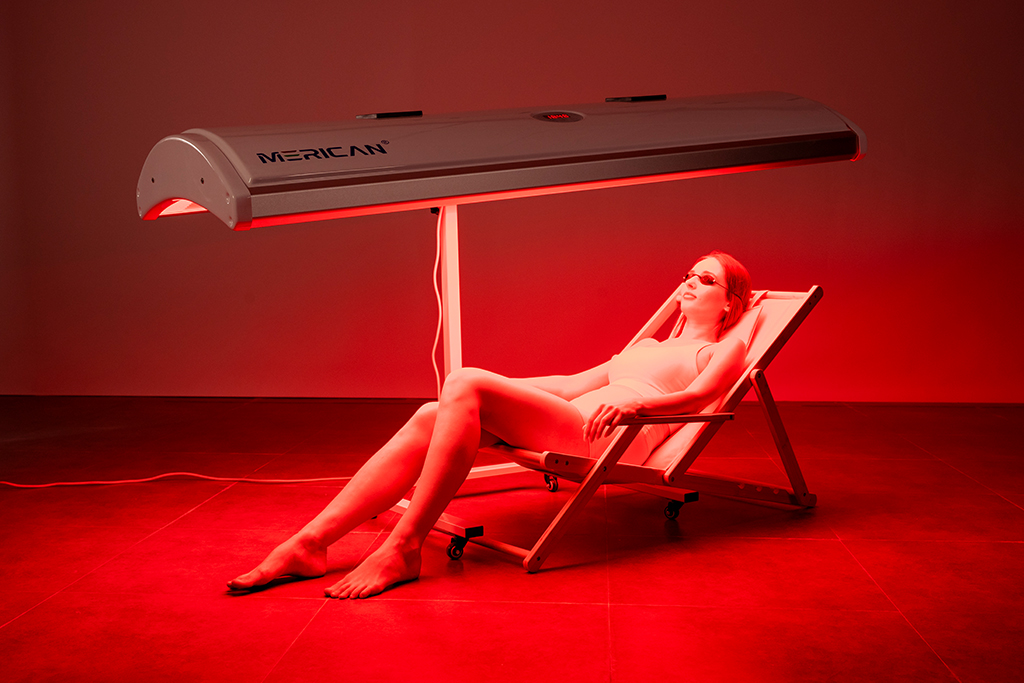
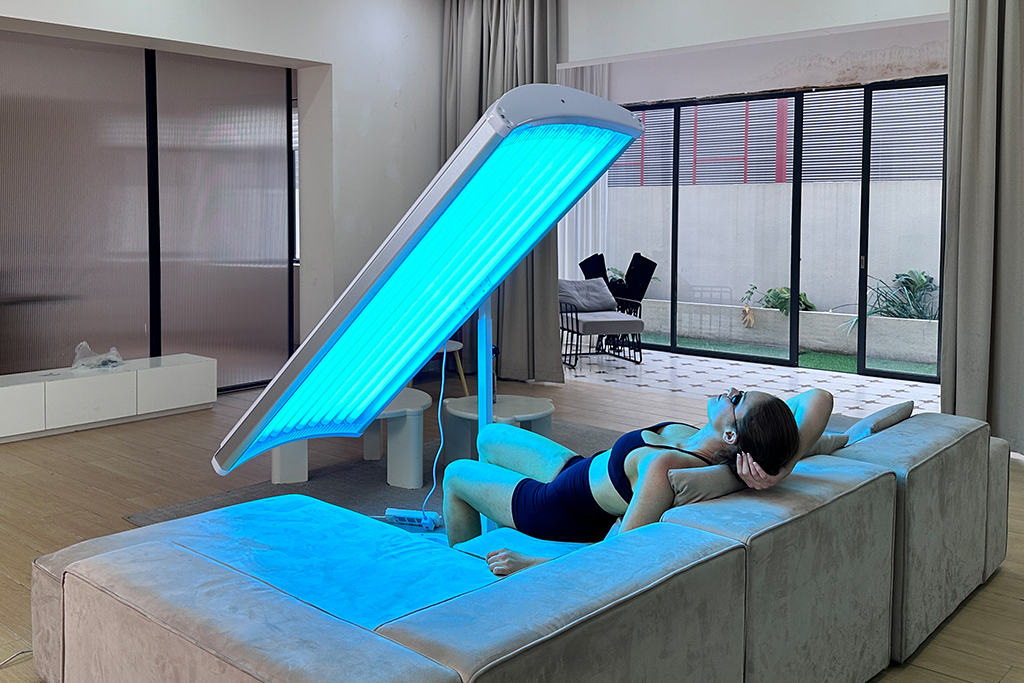
What Is Blue Light Therapy?
Blue light therapy typically uses wavelengths between 405–470 nm.
How It Works
-
Targets the surface of the skin
-
Kills acne-causing bacteria (Cutibacterium acnes)
-
Reduces oil production
Common Uses
-
Acne treatment
-
Actinic keratosis (with photosensitizers)
-
Certain bacterial skin conditions
What Is Red Light Therapy?
Red light therapy uses wavelengths between 630–660 nm, often combined with near-infrared light (810–880 nm).
How It Works
-
Penetrates deeper into the skin and tissues
-
Stimulates mitochondria to produce more ATP
-
Reduces inflammation and promotes healing
Common Uses
-
Wrinkle reduction and skin rejuvenation
-
Muscle recovery and pain relief
-
Wound healing and tissue repair
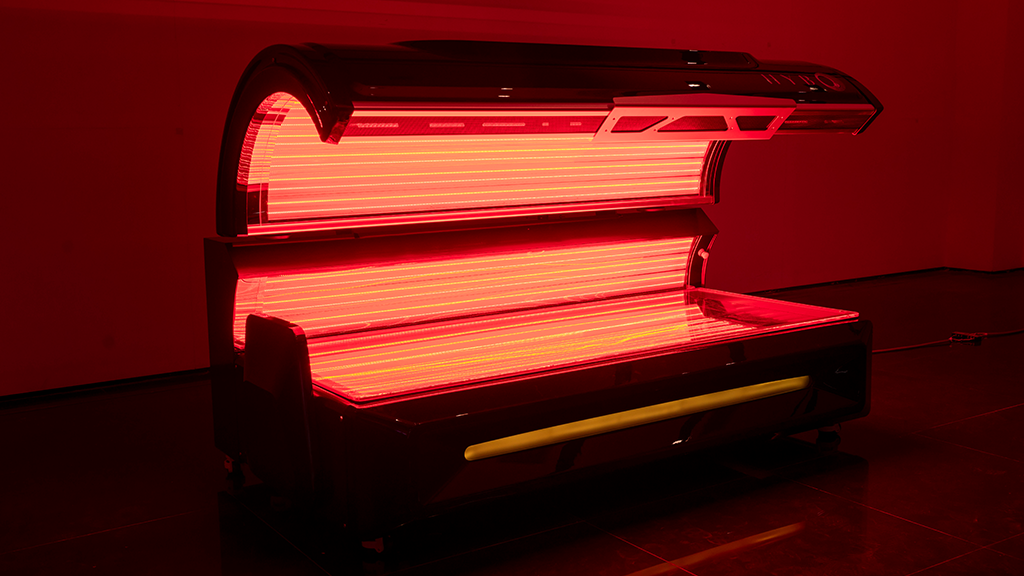
Key Differences Between Blue and Red Light Therapy
| Feature | Blue Light Therapy | Red Light Therapy |
|---|---|---|
| Wavelength | 405–470 nm | 630–660 nm / 810–880 nm |
| Penetration depth | Shallow (surface) | Deep (dermis & muscle) |
| Primary function | Antibacterial | Regenerative |
| Common users | Acne patients | Anti-aging & recovery |
| Inflammation | May increase dryness | Reduces inflammation |
Safety Considerations
-
Blue light: Overuse may cause dryness or pigmentation in sensitive skin
-
Red light: Generally well tolerated with minimal side effects
Both therapies should be used according to recommended exposure times.
Which One Should You Choose?
-
Choose blue light therapy if acne is your primary concern
-
Choose red light therapy for anti-aging, pain relief, or recovery
-
Some protocols combine both for enhanced results
Conclusion
Understanding the difference between blue and red light therapy helps you choose the right treatment based on your skin and wellness goals.
FAQ
Q1: Can blue and red light therapy be used together?
Yes, many professional devices combine both.
Q2: Is red light therapy safer than blue light?
Generally yes, especially for long-term use.