Living with arthritis often means managing daily pain, stiffness, and limited movement. For those seeking drug-free ways to support joint comfort, red light therapy has become an increasingly popular option in wellness clinics and home care routines.
Why Light Therapy Is Used for Joint Care
Red light therapy delivers gentle, targeted light energy without heat or UV radiation. Unlike topical pain relievers or medications, it:
-
Does not irritate the skin
-
Can be used regularly
-
Fits easily into daily self-care routines
This makes it appealing for long-term joint management.
Key Benefits for People with Arthritis
Regular red light therapy sessions may help:
-
Reduce morning stiffness
-
Ease joint soreness after activity
-
Improve overall joint comfort
-
Support better movement and flexibility
By addressing both pain and underlying inflammation, red light therapy supports more comfortable daily living.
Whole-Body vs Localized Red Light Therapy
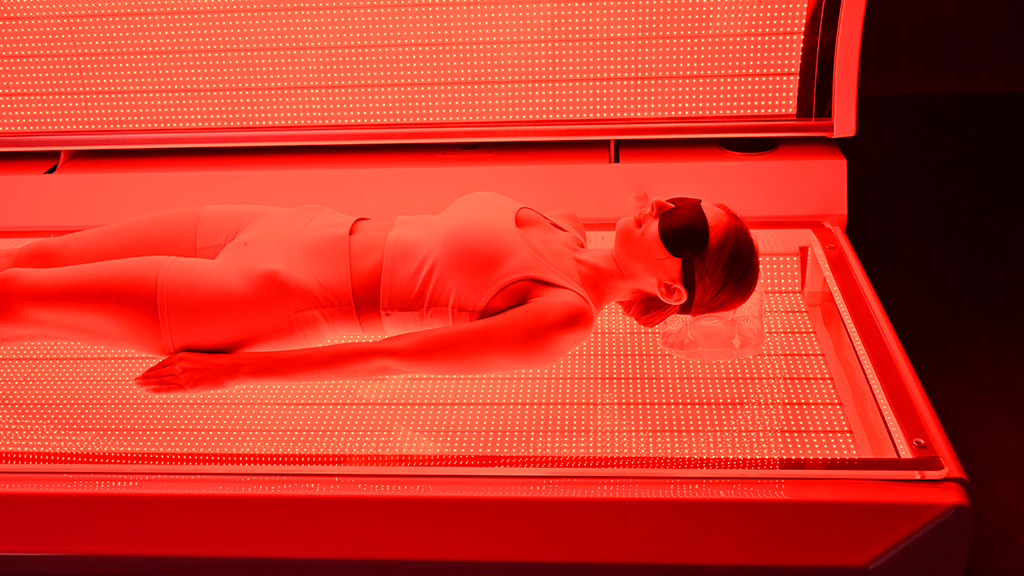
Localized devices are often used for hands, knees, shoulders, and hips. Whole-body red light therapy beds, on the other hand, offer:
-
Even exposure across multiple joints
-
Relaxation of surrounding muscles
-
Support for overall musculoskeletal health
This can be particularly helpful for individuals with multiple affected joints.
Who May Benefit Most?
Red light therapy may be suitable for:
-
People with osteoarthritis
-
Individuals experiencing age-related joint stiffness
-
Those looking to complement physical therapy or exercise programs
It is often used alongside stretching, low-impact exercise, and proper nutrition.
Safety and Use Considerations
Red light therapy is generally safe, but:
-
It should not replace medical treatment
-
Severe or inflammatory arthritis requires professional supervision
-
Consistent, moderate use is recommended
Final Thoughts
While red light therapy is not a cure for arthritis, it offers a gentle, non-invasive way to support joint comfort, mobility, and quality of life. When used as part of a comprehensive joint care plan, it may help people stay active and move with greater ease.