Why Allergies Keep Coming Back
A hidden problem for long-term allergy patients is damaged tissue barriers. Repeated allergic inflammation erodes nasal mucosal epithelium and skin protective layers. Barrier damage allows more allergens to penetrate, forming a cycle where allergies become easier to trigger. Most oral medicines and topical creams temporarily block symptoms but cannot repair barriers or calm chronic low-grade inflammation. This creates demand for auxiliary therapies like red light treatment.
How Red Light Therapy Delivers Allergy Relief
First, relieve acute inflammation. When allergic symptoms break out, tissues swell rapidly. Red light improves blood circulation, reduces vascular permeability and lessens edema in nasal passages and skin lesions. Users feel reduced congestion and itching after regular sessions.
Second, limit inflammatory mediator release. Clinical observations show appropriate red light irradiation lowers the release of histamine, leukotriene and multiple pro-inflammatory cytokines, weakening the intensity of allergic reactions.
Third, rebuild protective barriers. Light energy stimulates fibroblast activity, accelerating regeneration of nasal mucosa and skin cells. Stronger barriers reduce allergen invasion frequency and lower flare-up frequency in the long run.
Fourth, relieve secondary fatigue. Persistent allergies often cause poor sleep and low energy. Red light boosts cellular energy metabolism, alleviating fatigue caused by long-term immune activation.
Who Can Benefit From Red Light Therapy for Allergies
- Seasonal hay fever sufferers: Ideal for people affected by spring and autumn pollen. Consistent full-body or facial therapy reduces sneezing, runny nose and eye itching.
- Patients with allergic dermatitis and eczema: Suitable for those with recurring skin redness, dryness and itching triggered by allergens.
- People with mild persistent allergic rhinitis: For individuals who want to reduce dependence on nasal sprays as complementary daily care.
Important reminder: Red light therapy cannot replace medical treatment for severe allergies, asthma or acute anaphylaxis. Always consult an allergist for professional diagnosis and treatment solutions.
Common Misconceptions About Red Light Therapy and Allergies
Misconception 1: Instant relief after one session
Misconception 2: Longer irradiation equals better results
Misconception 3: Any red lamp works for allergies
Best Practices to Maximize Effects
- Combine environmental control: Regularly clean bedding, use air purifiers and reduce exposure to known allergens while using red light therapy.
- Build fixed treatment routines: Schedule sessions at the same time every day for stable cumulative effects.
- Use eye protection every session. Avoid direct light exposure to eyes.
- Monitor physical response. If you feel persistent discomfort after treatment, stop using it and consult healthcare professionals.
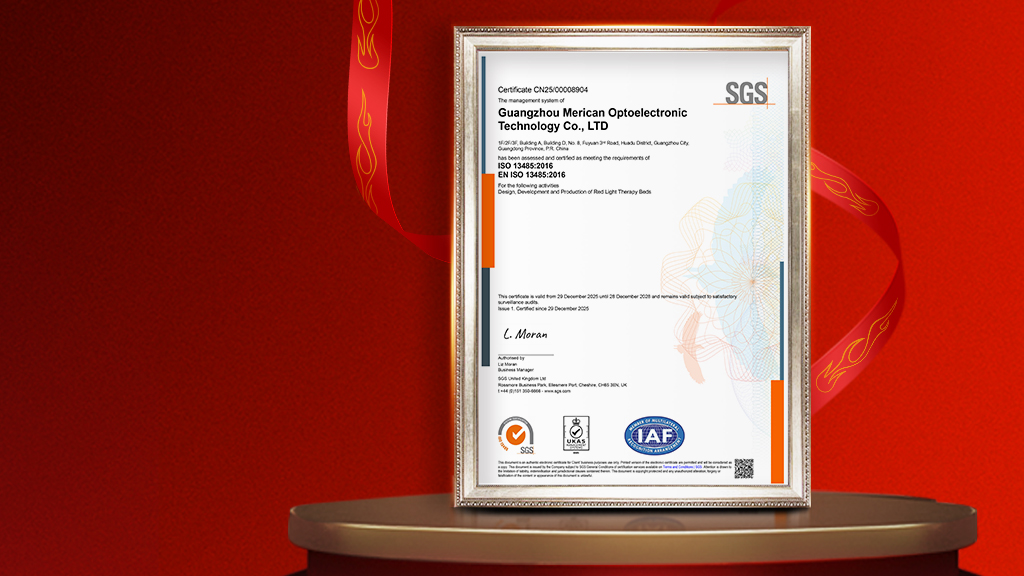
Invest in Reliable Red Light Therapy Equipment From Merican
Merican supports flexible OEM & ODM customization services. Its professional technical team provides all-round customization including exclusive brand logo, equipment appearance, wavelength and power adjustment for beauty salons, gyms, wellness centers and chain spas. Merchants with brand development plans can realize differentiated customized products. Besides customized manufacturing, Merican is actively recruiting global agents and distributors, providing comprehensive resource support for partners entering the fast-growing red light therapy wellness industry.