
As vision problems become more common with age and digital eye strain, interest has grown around alternative, non-invasive solutions. One question frequently asked is:
can red light therapy help your eyesight?
This article examines the scientific principles behind red light therapy and its potential impact on eye health.
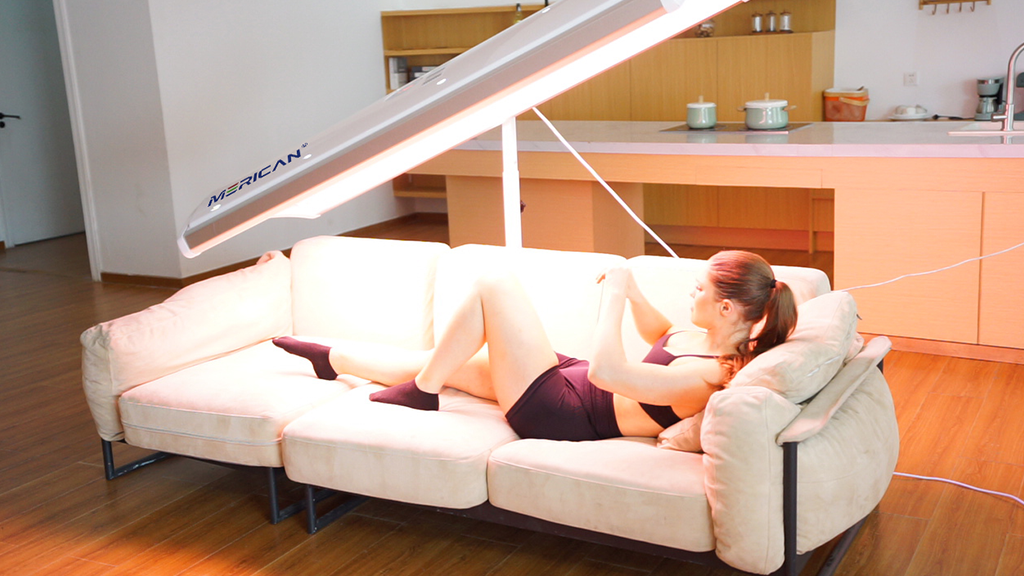
What Is Red Light Therapy?
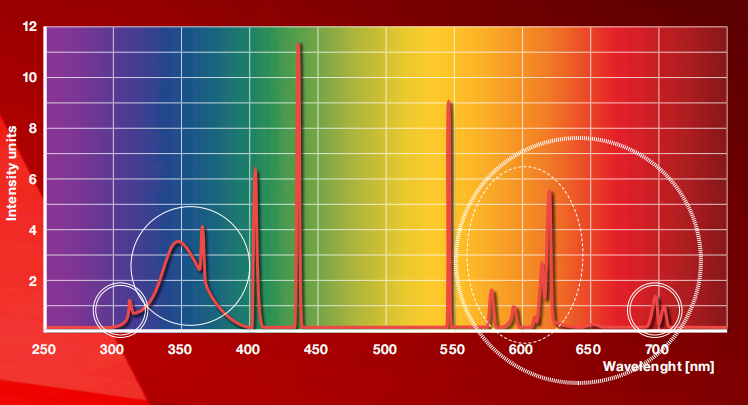
Red light therapy (RLT), also called photobiomodulation, uses low-level red and near-infrared wavelengths—typically between 630–660 nm and 810–880 nm—to stimulate cellular function.
Unlike blue or UV light, red light is non-damaging and has been studied for its ability to support tissue repair and mitochondrial activity.
How Vision Declines Over Time
Eyesight can deteriorate due to:
-
Age-related mitochondrial dysfunction
-
Reduced retinal energy production
-
Oxidative stress and inflammation
-
Prolonged exposure to screens and artificial light
Retinal cells, especially photoreceptors, require high levels of energy to function properly.
How Red Light Therapy May Support Eyesight
Red light therapy may benefit eyesight through several mechanisms:
1. Improves Mitochondrial Function
Red light stimulates cytochrome c oxidase in mitochondria, enhancing ATP production in retinal cells.
2. Reduces Oxidative Stress
Photobiomodulation may lower inflammation and oxidative damage associated with age-related vision decline.
3. Supports Retinal Cell Health
Research suggests red light exposure can help maintain photoreceptor sensitivity and retinal integrity.
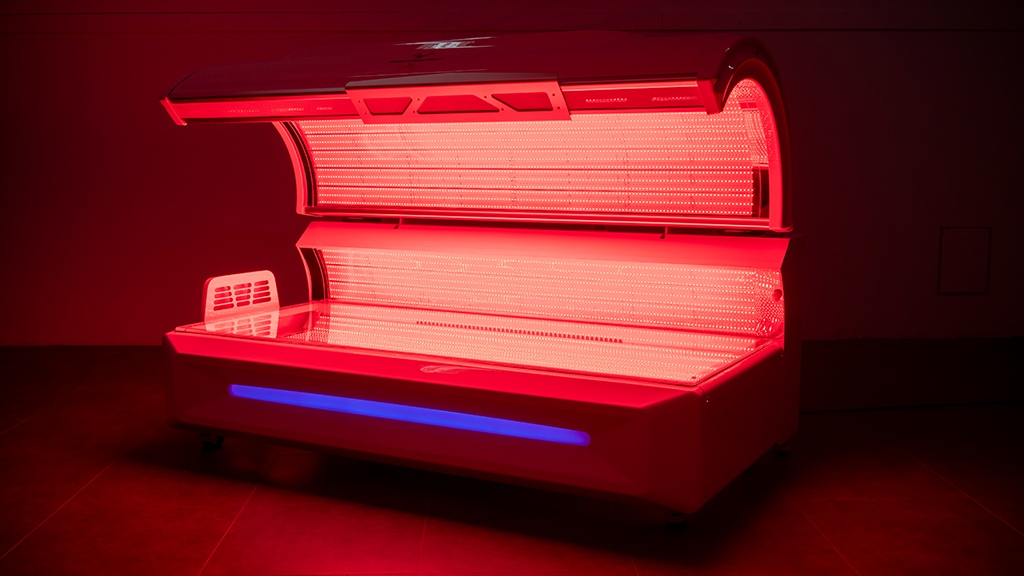
What Does Research Say?
Clinical and laboratory studies indicate that controlled red or near-infrared light exposure may:
-
Improve contrast sensitivity
-
Support visual function in aging eyes
-
Slow age-related retinal decline
Some trials observed improved visual performance after short, low-intensity morning exposure to red light wavelengths.
Is Red Light Therapy Safe for Eyes?
Safety is critical when discussing eyesight. Research emphasizes:
-
Very low intensity levels
-
Short exposure durations
-
Avoiding direct, high-power devices without eye protection
Eye-specific protocols differ significantly from skin or muscle treatments.
Professional vs Consumer Red Light Devices
| Device Type | Application | Risk Level |
|---|---|---|
| Medical/clinical systems | Supervised retinal therapy | Low (controlled) |
| General red light panels | Skin & body use | Not designed for eyes |
Only eye-safe, research-backed approaches should be considered.
Conclusion
So, can red light therapy help your eyesight?
Scientific evidence suggests it may support retinal health and visual function when applied correctly under controlled conditions. However, red light therapy is not a cure for vision loss and should never replace professional eye care.
FAQ
Q1: Can red light therapy improve vision permanently?
It may support function but does not cure eye diseases.
Q2: Can I use regular red light panels on my eyes?
No. Devices for skin or body use are not eye-safe.
Q3: Who may benefit most?
Older adults experiencing age-related visual decline.