
Introduction
Crepey skin—thin, fragile, and paper-like texture—usually appears with aging, sun exposure, or collagen loss. Many people turn to moisturizers and retinol but still struggle with visible wrinkling. Recently, red light therapy has become a popular non-invasive method for improving crepey skin. But can it really help?
This article explores what the science says and how red light therapy may improve the appearance of crepey skin.
What Causes Crepey Skin?
Common causes include:
-
Collagen and elastin breakdown
-
Long-term UV damage
-
Dryness and dehydration
-
Aging skin cell turnover
-
Rapid weight loss
Because crepey skin results from structural loss, topical treatments often work only on the surface.
How Red Light Therapy Helps
Red light therapy uses wavelengths such as 630 nm and 660 nm, which penetrate the skin and stimulate collagen production. It also boosts fibroblast activity, helping skin regain firmness and thickness.
Key Benefits
-
Encourages collagen regeneration
-
Improves elasticity
-
Boosts hydration retention
-
Thickens the epidermis
-
Reduces fine lines and crinkles
These effects directly address the root causes of crepey skin.
Scientific Evidence
Studies show red light therapy increases:
-
Collagen density
-
Skin hydration levels
-
Cellular energy (ATP)
-
Elasticity and firmness
Users often notice smoother, tighter skin in 6–12 weeks with consistent use.
Why MERICAN Devices Work Well
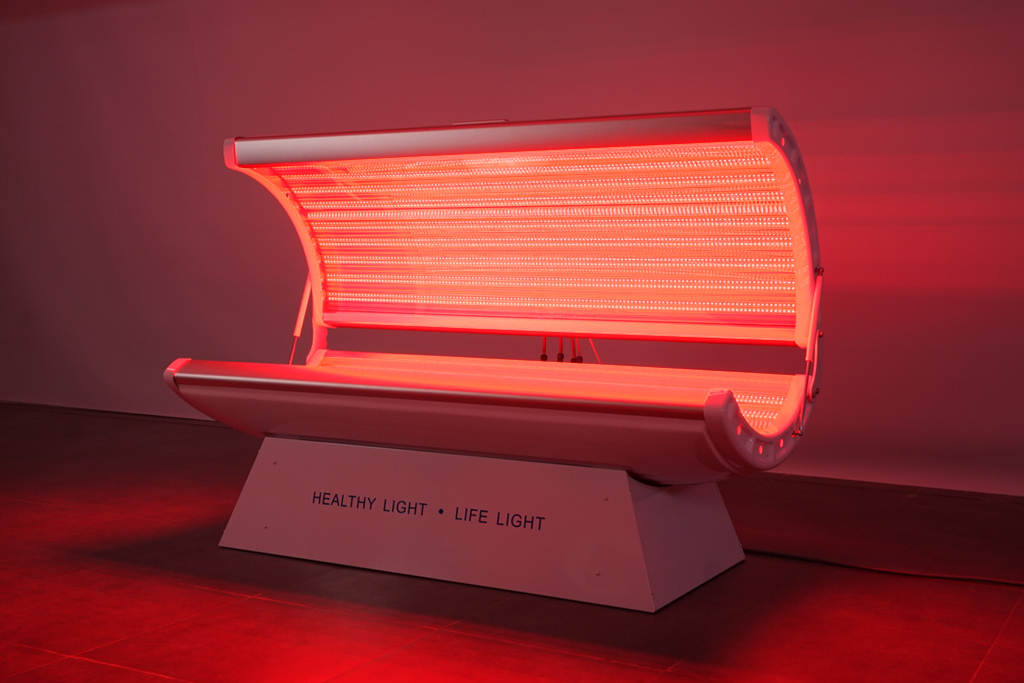
MERICAN designs professional-grade LED systems using precise wavelengths (660 nm + 850 nm) to target collagen production deep in the skin.
Benefits include:
-
High-power LEDs for maximum penetration
-
Zero UV radiation
-
Uniform light distribution
-
Suitable for home, clinic, or spa use
MERICAN devices provide consistent energy output, essential for long-term skin improvement.
Conclusion
Yes—red light therapy can significantly improve crepey skin by stimulating collagen, hydrating tissue, and thickening the skin. It is safe, painless, and suitable for all ages.