
If you are planning to use a tanning bed, you might be wondering whether you should use SPF or sunscreen during your session. This is a common question, especially for beginners who are concerned about protecting their skin while still achieving a tan. To answer this question properly, it is important to understand how SPF works and how it affects the tanning process.
SPF, or Sun Protection Factor, is designed to protect the skin from ultraviolet radiation, especially UVB rays that cause sunburn. When you apply sunscreen, it creates a barrier that reflects or absorbs UV radiation, preventing it from penetrating the skin. Since tanning beds rely on UV light to stimulate melanin production, using sunscreen will reduce the effectiveness of the tanning process.
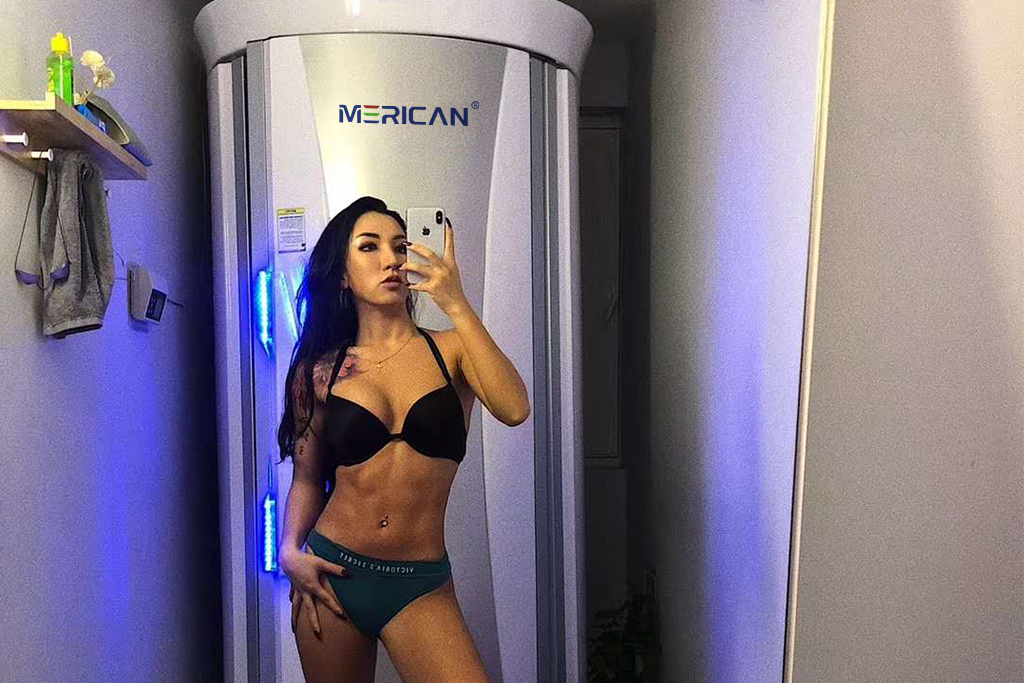
However, this does not mean skin protection is not important. In fact, protecting your skin during indoor tanning is very important to prevent dryness, irritation, and long-term skin damage. Instead of traditional sunscreen, indoor tanning lotions are often recommended because they are formulated specifically for tanning beds. These lotions help hydrate the skin, improve circulation, and enhance melanin production, which can help you tan more evenly.
One common mistake people make is thinking that tanning longer will compensate for wearing sunscreen. This is not recommended. Staying in a tanning bed longer increases UV exposure and the risk of skin damage, even if you are wearing sunscreen. The safer approach is to follow recommended session times and tanning schedules rather than trying to speed up the process.
There are also certain areas of the body that benefit from extra protection. The face, for example, is more sensitive and more prone to premature aging than other parts of the body. Many people use facial tanning lotions or low-SPF products specifically designed for facial use in tanning beds. Tattoos are another area that should be protected, as UV exposure can cause tattoos to fade over time. Applying a tattoo protection stick or covering tattoos can help preserve their color.
Another factor to consider is your skin type. People with very fair skin may choose to use a low-SPF sunscreen in a tanning bed to reduce the risk of burning while still allowing gradual tanning. People with darker skin may not need SPF but should still use moisturizing tanning lotions to maintain skin health.
After tanning, skin care is just as important as protection during tanning. Moisturizing helps prevent peeling and keeps your tan looking even and lasting longer. Drinking water and keeping your skin hydrated will also improve tanning results over time.
In conclusion, using regular sunscreen in a tanning bed will slow down tanning, but some protective products may still be useful for sensitive areas. The best approach is to use indoor tanning lotions, follow safe tanning times, and protect sensitive areas like the face, lips, and tattoos. This approach helps you achieve a better tan while reducing the risk of skin damage.