Red light therapy has become widely popular, leading many people to ask a simple question:
do any red lights work for red light therapy?
At first glance, all red lights may look the same. However, from a scientific and therapeutic standpoint, not every red light delivers the benefits associated with red light therapy.
What Defines True Red Light Therapy?
Red light therapy, also known as photobiomodulation, requires specific wavelengths and power output to trigger biological responses in the body.
Key requirements include:
-
Correct wavelength range
-
Sufficient light intensity
-
Proper treatment distance and duration
Without these factors, the light may appear red but have no therapeutic effect.
Why Most Ordinary Red Lights Don’t Work
Common red lights—such as decorative LEDs or colored bulbs—typically fail because:
-
They emit light outside therapeutic wavelengths
-
Their intensity is too low to penetrate the skin
-
They are designed for visibility, not biological stimulation
Color alone does not equal effectiveness.
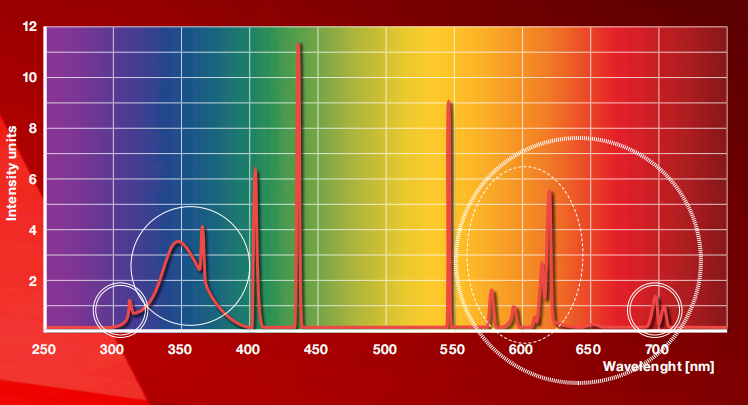
What Wavelengths Actually Work?
Research-backed red light therapy typically uses:
-
630–660 nm (red light) for skin-level benefits
-
810–880 nm (near-infrared light) for deeper tissue support
Lights outside these ranges do not reliably stimulate cellular activity.
The Importance of Power Output
Even at the correct wavelength, insufficient power will not produce results.
Therapeutic devices deliver:
-
Measured energy output
-
Even light distribution
-
Consistent exposure levels
This is why clinical and professional-grade systems outperform generic red bulbs.
Conclusion
So, do any red lights work for red light therapy?
No—only red lights designed with the correct wavelengths, intensity, and delivery system can provide real therapeutic benefits. A red-colored light alone is not enough.