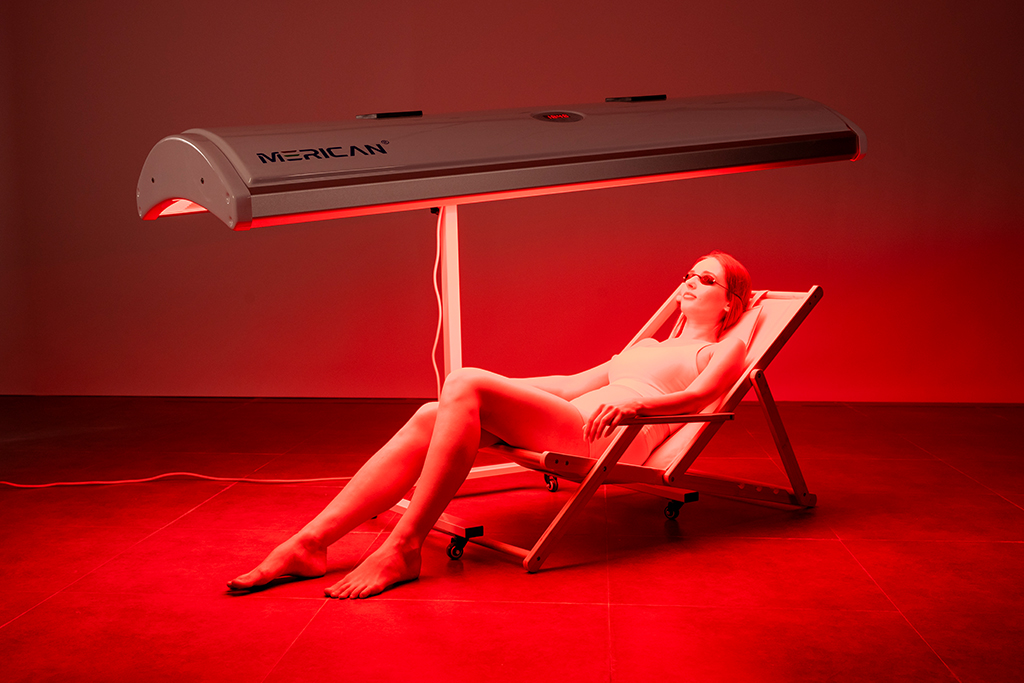
Red light therapy panels are widely used in clinics, gyms, and home wellness spaces. However, many people still ask:
do red light therapy panels really work, or are they simply a convenient alternative to full-body beds?
Understanding the science behind panel-based light therapy helps clarify their real effectiveness.
How Red Light Therapy Panels Work
Red light therapy panels use arrays of red and near-infrared LEDs—typically in the 630–660 nm and 810–880 nm ranges—to deliver therapeutic light to the body.
When absorbed by skin and tissues, this light triggers photobiomodulation, leading to:
-
Increased mitochondrial ATP production
-
Reduced inflammation
-
Improved circulation
-
Enhanced tissue repair
Why Panels Can Be Effective
Panels are designed to:
-
Deliver higher power than handheld devices
-
Treat larger areas at once
-
Maintain consistent treatment distance
When engineered correctly, panels can produce meaningful therapeutic effects for both localized and partial full-body treatments.
What Research and Practice Show
Studies on red and near-infrared light therapy indicate benefits such as:
-
Faster muscle recovery
-
Reduced joint stiffness
-
Improved skin texture and tone
-
Support for chronic pain management
Panel effectiveness depends heavily on wavelength accuracy, power output, and coverage uniformity.
Professional Panels vs Low-Cost Consumer Panels
Professional-grade panels—such as Merican red light therapy panels—are built with:
-
Clinically validated wavelengths
-
High-output LED chips
-
Even light distribution across the panel surface
Lower-quality panels may look similar but often lack sufficient intensity to produce consistent results.
Conclusion
So, do red light therapy panels work?
Yes—when they deliver the correct wavelengths at therapeutic power levels. Professional panels like those from Merican offer reliable performance for both clinical and advanced home use.