
Far infrared therapy and red light therapy are often mentioned together in wellness and recovery discussions. While both use light energy to support health, their mechanisms, wavelengths, and biological effects are fundamentally different.
Understanding the difference between far infrared and red light therapy helps users choose the most effective option for their goals.
What Is Far Infrared Therapy?
Far infrared (FIR) therapy uses electromagnetic wavelengths typically between 3 μm and 100 μm, which fall outside the visible light spectrum.
Instead of stimulating cells directly, far infrared works primarily by producing deep, radiant heat.
How Far Infrared Works
-
Heats tissues through vibration of water molecules
-
Raises core and skin temperature
-
Promotes sweating and circulation
Common Applications
-
Infrared saunas
-
Detox and relaxation therapy
-
Muscle stiffness relief
-
Circulatory support
What Is Red Light Therapy?
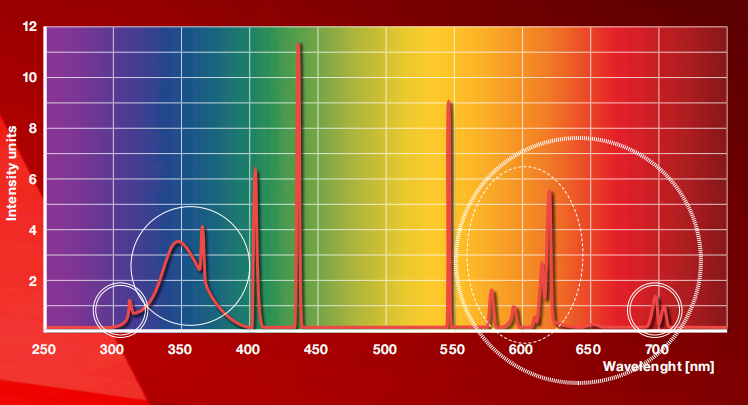
Red light therapy (RLT), also known as photobiomodulation, uses visible red and near-infrared wavelengths—typically 630–660 nm and 810–880 nm.
Unlike infrared heat, red light therapy works through cellular stimulation, not heat.
How Red Light Therapy Works
-
Activates mitochondria
-
Increases ATP production
-
Reduces inflammation
-
Promotes tissue repair
Key Differences Between Far Infrared and Red Light Therapy
| Feature | Far Infrared Therapy | Red Light Therapy |
|---|---|---|
| Wavelength | 3–100 μm | 630–660 nm / 810–880 nm |
| Visibility | Invisible | Visible red / invisible NIR |
| Heat generation | Yes | Minimal to none |
| Primary effect | Thermal | Cellular |
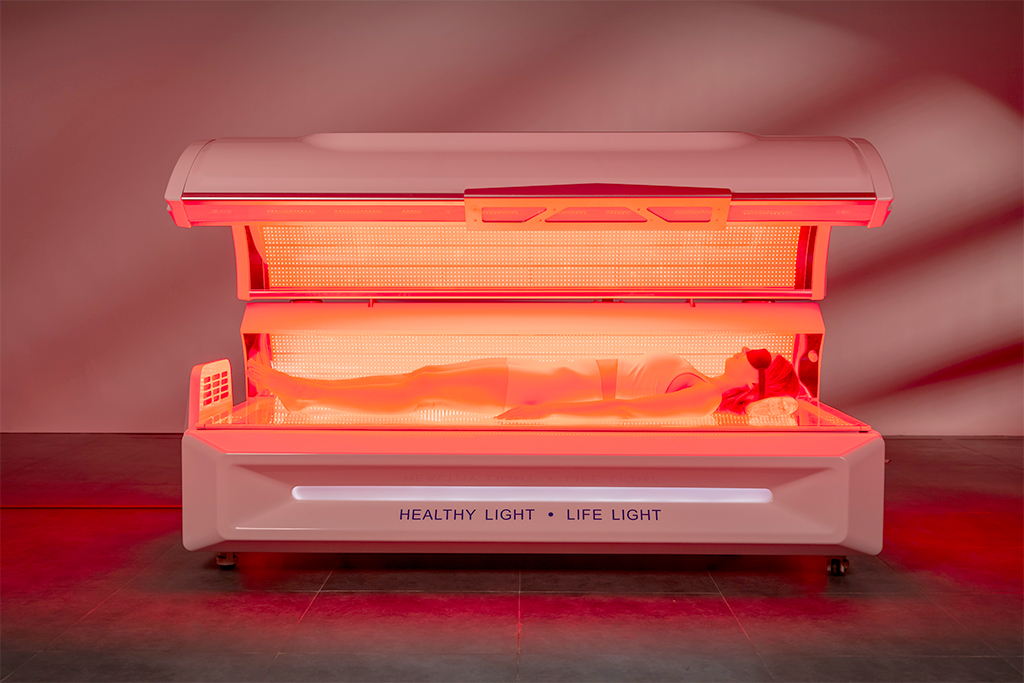
| Typical devices | Infrared saunas | LED panels, beds |
Therapeutic Benefits Compared
Far Infrared Therapy Benefits
-
Deep warming and relaxation
-
Increased sweating
-
Temporary pain relief
-
Stress reduction
Red Light Therapy Benefits
-
Skin rejuvenation
-
Wrinkle reduction
-
Muscle recovery
-
Joint and inflammation support
Safety and Comfort
Far infrared therapy raises body temperature and may not be suitable for people sensitive to heat.
Red light therapy remains cool and is generally safe for frequent, long-term use.
Conclusion
The difference between far infrared and red light therapy lies in heat versus cellular activation. Far infrared is best for warming, relaxation, and sauna-based therapy, while red light therapy targets cellular repair, regeneration, and long-term wellness.