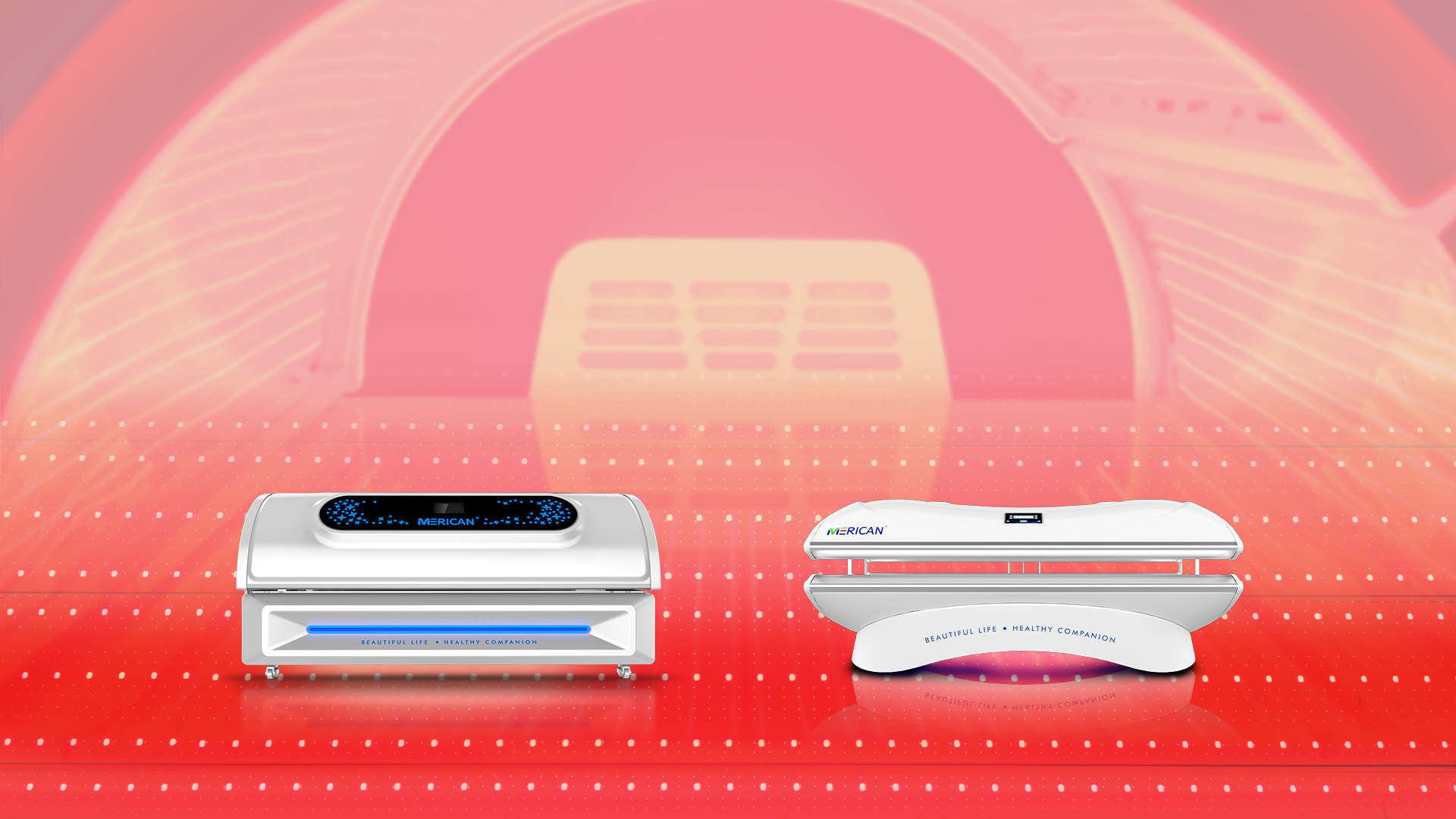
Muscle recovery is a critical part of athletic performance, injury prevention, and overall physical wellness. In recent years, red light therapy (RLT)—also known as photobiomodulation—has gained attention for its ability to support faster and more effective muscle recovery.
So, does red light therapy really work for sore and fatigued muscles?
What Happens to Muscles After Exercise?
Intense or prolonged exercise causes:
-
Micro-tears in muscle fibers
-
Inflammation and swelling
-
Accumulation of metabolic waste (e.g., lactic acid)
-
Reduced oxygen supply to muscle tissue
These processes lead to delayed onset muscle soreness (DOMS), stiffness, and reduced performance.
How Red Light Therapy Works on Muscles
Red and near-infrared light (typically 630–660 nm and 810–880 nm) penetrates deep into muscle tissue and stimulates cellular activity.
Key physiological effects include:
-
Increased mitochondrial ATP production
-
Enhanced blood flow and oxygen delivery
-
Reduced oxidative stress and inflammation
-
Accelerated muscle fiber repair
Together, these mechanisms support faster muscle recovery and reduced soreness.
Benefits of Red Light Therapy for Muscle Recovery
1. Reduced Muscle Soreness
RLT may help decrease post-workout pain by calming inflammation and relaxing muscle tissue.
2. Faster Recovery Time
Improved cellular energy production allows muscles to repair more efficiently between training sessions.
3. Improved Muscle Performance
Some studies suggest athletes using red light therapy experience better endurance and strength maintenance.
4. Support for Injury Rehabilitation
Red light therapy is widely used in physical therapy to assist with soft tissue healing and recovery.
What Does Research Indicate?
Scientific research on photobiomodulation has shown:
-
Reduced DOMS following resistance training
-
Improved muscle recovery markers
-
Enhanced circulation and tissue regeneration
These findings have contributed to the growing adoption of red light therapy in sports medicine and rehabilitation settings.
Safety and Usage Considerations
Red light therapy is generally considered:
-
Non-invasive
-
Drug-free
-
Safe when used according to guidelines
Typical sessions range from 10–20 minutes per muscle group, with consistent use yielding the best results.
Conclusion
Red light therapy is a science-backed, non-invasive solution that can support muscle recovery, reduce soreness, and improve athletic performance. Whether used by professional athletes or everyday fitness enthusiasts, it offers a powerful addition to modern recovery routines.