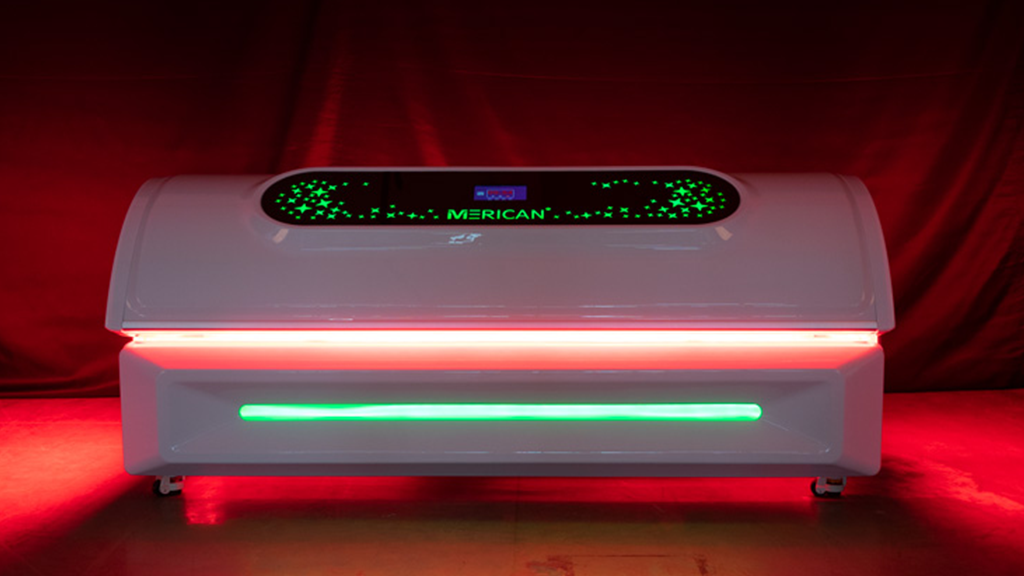
Muscle strains—commonly known as pulled muscles—occur when muscle fibers are overstretched or torn. They are frequent in sports, physical labor, and everyday activities, often leading to pain, swelling, and limited mobility. As more people seek non-invasive recovery solutions, red light therapy has gained attention as a supportive treatment option.
What Happens During a Muscle Strain?
A muscle strain typically involves:
-
Micro-tears or partial tears in muscle fibers
-
Local inflammation and swelling
-
Reduced blood flow in the injured area
-
Pain and muscle stiffness
The body requires time, oxygen, and nutrients to repair the damaged tissue.
How Red Light Therapy Supports Muscle Strain Healing
Red light therapy uses red and near-infrared wavelengths (commonly 630–660 nm and 810–880 nm) that penetrate deep into soft tissue.
Key therapeutic effects include:
-
Stimulation of mitochondrial ATP production
-
Enhanced blood circulation in the injured area
-
Reduction of inflammatory responses
-
Support for tissue repair and regeneration
These mechanisms may help accelerate the natural healing process of strained muscles.
Potential Benefits for Muscle Strains
1. Pain Relief
By calming inflammation and reducing nerve sensitivity, red light therapy may help ease discomfort associated with muscle strains.
2. Reduced Swelling and Inflammation
Improved circulation helps remove metabolic waste while delivering oxygen and nutrients essential for healing.
3. Faster Functional Recovery
Consistent red light therapy may help restore mobility and flexibility more quickly when combined with rest and rehabilitation.
What Does the Research Suggest?
Photobiomodulation research indicates that red light therapy:
-
Supports soft tissue healing
-
Reduces inflammation in musculoskeletal injuries
-
Is widely used in physical therapy and sports rehabilitation
While severe muscle tears require medical care, mild to moderate strains may benefit from red light therapy as a complementary approach.
Safety Considerations
Red light therapy is generally safe and non-invasive. It should be used:
-
According to recommended exposure times
-
As part of a broader recovery plan including rest and gradual reloading
Conclusion
Red light therapy may be a valuable supportive therapy for muscle strains, helping reduce pain, inflammation, and recovery time. When used properly, it offers a gentle, drug-free option to assist the body’s natural healing process.