Introduction: Exploring the Science Behind Red Light Therapy and Tumors
Red light therapy has become one of the most discussed technologies in the wellness and health industry. From improving skin appearance and supporting muscle recovery to promoting relaxation and cellular wellness, photobiomodulation therapy (PBMT) continues to attract attention from researchers and consumers.
One question that frequently appears online is:
Can red light therapy help tumors?
The answer requires a careful understanding of current scientific research.
Red light therapy is not a cancer treatment and has not been proven to eliminate tumors. However, researchers are studying how specific wavelengths of red and near-infrared light interact with biological processes, including cellular energy production, inflammation pathways, and tissue recovery.
This growing research area has created interest in whether photobiomodulation could have a supportive role in healthcare and wellness environments.
Understanding the Relationship Between Red Light Therapy and Tumors
Tumors develop through complex biological processes involving abnormal cell growth, genetic changes, immune responses, and changes in the surrounding tissue environment.
Because red light therapy can influence cellular activity, scientists are interested in understanding how photobiomodulation interacts with different types of cells.
The key point is:
Red light therapy affects cellular processes, but this does not mean it can directly treat or cure tumors.
Current research mainly focuses on understanding:
- How light affects healthy tissue
- How cells respond to different wavelengths
- Whether photobiomodulation can support recovery
- How it may help manage certain treatment-related challenges
The relationship between light therapy and cancer biology remains an active area of scientific investigation.
What Is Photobiomodulation Therapy (PBMT)?
Photobiomodulation therapy is a scientific term used to describe the application of specific light wavelengths to stimulate biological responses.
Unlike UV light, which can cause DNA damage through high-energy radiation, red and near-infrared light use lower-energy wavelengths.
Common wavelengths used in professional devices include:
Red Light
630–660nm
Often used for applications related to:
- Skin health
- Surface tissue support
- Cosmetic wellness
Near-Infrared Light
810–850nm
Often studied for deeper tissue applications, including:
- Muscle recovery
- Circulation support
- Cellular energy processes
The goal of PBMT is not to destroy cells but to encourage biological responses that may support normal cellular function.
How Red Light Therapy May Influence Cellular Function
To understand why researchers study red light therapy in relation to tumors, it is important to understand its possible cellular effects.
1. Mitochondrial Stimulation
Mitochondria are often called the “powerhouses” of cells because they produce ATP, which provides energy for cellular activities.
Photobiomodulation research suggests that certain wavelengths of light may interact with mitochondrial components and influence energy production.
This mechanism is one reason red light therapy is widely explored in areas such as:
- Athletic recovery
- Skin regeneration
- Physical therapy support
- General wellness
2. Oxidative Stress Regulation
Cells naturally produce reactive oxygen species during normal metabolism.
An imbalance between oxidative stress and antioxidant systems can affect cellular health.
Researchers are investigating how controlled light exposure may influence oxidative balance and cellular signaling pathways.
However, the effects depend on many factors, including:
- Light intensity
- Exposure duration
- Cell type
- Individual health conditions
3. Inflammation and Immune Response
Inflammation plays an important role in the body’s response to injury and disease.
Some studies suggest photobiomodulation may influence inflammatory pathways and support tissue recovery.
This is why red light therapy has been researched for areas such as:
- Muscle soreness
- Joint discomfort
- Skin irritation
- Recovery after physical stress
Can Red Light Therapy Prevent Tumors?
Currently, there is no strong scientific evidence proving that red light therapy can prevent tumors.
Tumor development is influenced by many factors, including:
- Genetics
- Lifestyle
- Environmental exposure
- Immune system function
- Age-related changes
Maintaining a healthy lifestyle remains the most important approach for reducing overall health risks.
Healthy habits include:
- Balanced nutrition
- Regular physical activity
- Avoiding tobacco exposure
- Protecting skin from excessive UV exposure
- Regular medical checkups
Red light therapy may support general wellness but should not be viewed as a tumor prevention method.
Red Light Therapy in Cancer Support Research
While red light therapy does not treat tumors, one important research area involves supporting people undergoing cancer treatments.
Cancer therapies can sometimes affect healthy tissues, causing discomfort or recovery challenges.
Researchers have explored whether photobiomodulation may assist with certain supportive care applications.
Potential areas of study include:
Oral Health Support During Treatment
Some cancer treatments may cause oral tissue sensitivity.
Photobiomodulation has been investigated as a possible supportive method for maintaining comfort and tissue health.
Skin and Tissue Recovery
Certain medical treatments can affect the skin and surrounding tissues.
Light-based therapies are being studied for their potential role in supporting normal tissue repair processes.
Quality of Life Support
Cancer treatment can impact energy levels, comfort, and daily wellbeing.
Supportive technologies that improve patient comfort are an important area of modern healthcare research.
However, every medical application requires professional evaluation.
Important Safety Guidelines Before Using Red Light Therapy
Although red light therapy is considered a non-invasive technology, people should use it responsibly.
Consult Healthcare Professionals
Anyone with an active tumor or undergoing cancer treatment should speak with their doctor before using red light therapy.
Medical guidance is especially important for:
- Active cancer patients
- Individuals receiving chemotherapy
- Individuals receiving radiation therapy
- People taking photosensitive medications
Use Professional Equipment
The quality of red light therapy equipment can significantly affect user experience.
Professional devices usually provide:
- Accurate wavelength output
- Consistent energy delivery
- Better safety controls
- Commercial-grade durability
For businesses, professional-grade equipment also ensures customers receive consistent service quality.
The Future of Red Light Therapy Research
The field of photobiomodulation continues to develop rapidly.
Future research may provide deeper understanding of how light influences:
- Cellular communication
- Tissue regeneration
- Immune responses
- Recovery processes
As technology improves, red light therapy may continue expanding into wellness, rehabilitation, and supportive healthcare applications.
However, scientific evidence remains essential, and red light therapy should always be considered a complementary wellness technology rather than a replacement for medical treatment.
Why Businesses Are Investing in Professional Red Light Therapy Beds
With increasing consumer interest in non-invasive wellness solutions, many businesses are adding red light therapy services.
Popular locations include:
- Beauty salons
- Wellness centers
- Spas
- Fitness clubs
- Recovery studios
- Health optimization facilities
A professional red light therapy bed allows businesses to provide a premium full-body light therapy experience while creating additional revenue opportunities.
Important factors when choosing equipment include:
- LED quality
- Wavelength accuracy
- Product reliability
- Customer comfort
- Manufacturer support
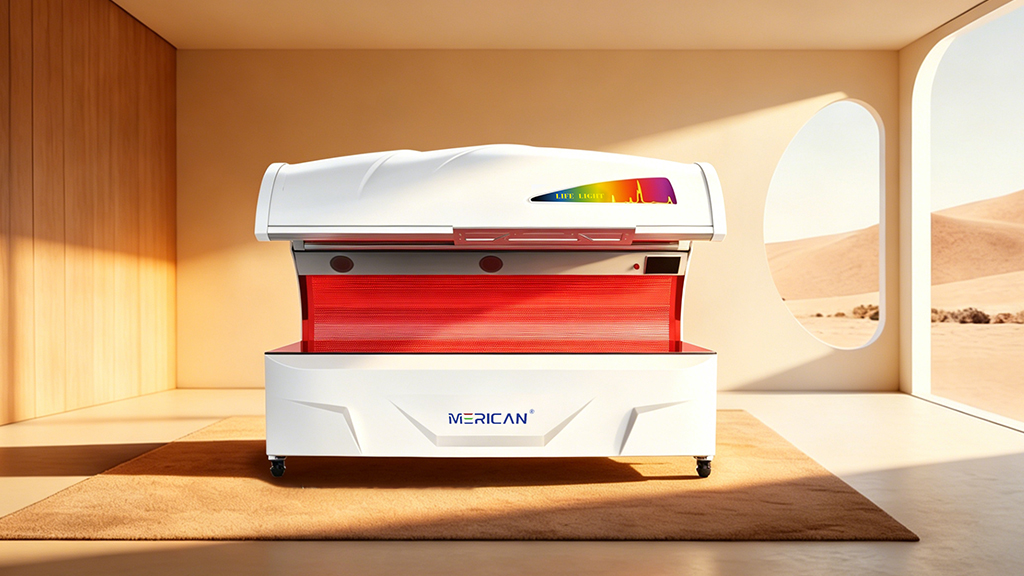
Recommended Professional Solution: Merican Red Light Therapy Bed M6N
For businesses searching for a reliable commercial red light therapy solution, Merican Red Light Therapy Bed M6N provides an advanced option for professional applications.
The M6N is designed with professional wellness facilities in mind and features:
- Full-body red and near-infrared light coverage
- Advanced LED photobiomodulation technology
- Comfortable user-oriented design
- Intelligent operation system
- Stable commercial performance
As a professional light therapy manufacturer with 18 years of industry experience, Merican provides complete OEM & ODM customization services for global customers.
With a strong technical team and professional R&D capabilities, Merican can support customized solutions including:
- Product appearance customization
- Brand logo customization
- Private label solutions
- Equipment configurations for different business models
Whether you operate a beauty salon, gym, spa, wellness center, or healthcare-related facility, Merican can help create customized red light therapy solutions that match your brand needs.
Merican is also actively recruiting worldwide agents, distributors, and business partners to expand professional red light therapy solutions globally.
Choose Merican to build your own branded light therapy business with reliable technology, professional manufacturing support, and long-term cooperation opportunities.