Red Light Therapy for Hay Fever: Side Effects and Safety
Hay fever, also known as allergic rhinitis, can make certain seasons especially uncomfortable. Sneezing, nasal congestion, a runny nose, itchy eyes, and an irritated throat can interfere with sleep, exercise, work, and everyday activities.
As interest in non-drug wellness approaches continues to grow, some people are searching for “red light therapy hayfever side effects” and asking whether red light therapy could help with seasonal allergy symptoms.
Red light therapy, more broadly known as photobiomodulation (PBM), uses specific wavelengths of visible red and/or near-infrared light. Researchers have investigated photobiomodulation for a range of applications, including inflammatory conditions and allergic rhinitis.
There is some promising research. A 2025 randomized, placebo-controlled, double-blind clinical trial involving 62 people with allergic rhinitis found improvements in several nasal and respiratory measures after a one-month PBM protocol. However, the treatment used in that study was a specific intranasal and external nasal protocol, meaning the findings should not automatically be applied to every red light therapy panel or full-body red light therapy bed.
So, is red light therapy safe for hay fever, and what side effects should you know about?
The answer requires looking at both the potential benefits and the limitations of the current evidence.
What Is Hay Fever?
Hay fever is a common form of allergic rhinitis that occurs when the immune system reacts to airborne allergens.
Common triggers include:
- Pollen from trees
- Grass pollen
- Weed pollen
- Dust mites
- Pet allergens
- Mold spores
Seasonal hay fever is particularly associated with pollen exposure.
Typical symptoms include:
- Sneezing
- Runny nose
- Stuffy nose
- Nasal itching
- Postnasal drip
- Watery or itchy eyes
- Reduced sense of smell
- Fatigue caused by poor sleep or persistent symptoms
Unlike an ordinary cold, hay fever is an allergic reaction rather than a viral infection.
This distinction matters when considering light-based therapies because a person with persistent nasal symptoms should first understand what is actually causing those symptoms.
What Is Red Light Therapy?
Red light therapy uses low-intensity visible red light and, in some devices, near-infrared light.
The broader scientific term is photobiomodulation therapy.
Unlike UV tanning, red light therapy does not use ultraviolet radiation to intentionally produce a tan.
Photobiomodulation is being studied because light exposure may influence biological processes at the cellular level. Researchers have investigated possible effects involving inflammation, cellular signaling, mitochondrial activity, and tissue responses.
However, the biological mechanism alone does not prove that red light therapy can treat hay fever.
The clinical evidence is what matters most.
Does Red Light Therapy Help Hay Fever?
There is emerging research suggesting that photobiomodulation may have potential for allergic rhinitis.
A 2025 randomized, placebo-controlled, double-blind trial published in the International Forum of Allergy & Rhinology included 62 patients with allergic rhinitis.
Participants received PBM twice a week for a total of eight sessions over one month. The treatment group received a specific protocol involving red and infrared light administered intranasally, along with infrared light applied externally around the nose.
The researchers reported significant improvements in several measures, including:
- Peak nasal inspiratory flow
- Nasal obstruction symptoms
- Rhinitis control assessment
However, the smell identification test did not show a statistically significant improvement.
This is an interesting result, but it should not be interpreted as proof that every red light therapy product will reduce hay fever symptoms.
The specific treatment protocol matters.
What About Earlier Allergic Rhinitis Research?
The 2025 trial is not the first study to investigate light-based therapy for allergic rhinitis.
An earlier randomized, double-blind, placebo-controlled trial evaluated low-level laser therapy in patients with perennial allergic rhinitis. The study reported improvement in total nasal symptom scores and quality-of-life measures compared with sham treatment.
These findings contribute to the growing research interest in photobiomodulation for allergic rhinitis.
However, there are still important questions.
Researchers need more large-scale studies to establish:
- Which wavelengths are most appropriate
- Which treatment locations are most effective
- How much light should be delivered
- How frequently treatment should occur
- How long benefits last
- Which patients are most likely to respond
- How PBM compares with established allergy treatments
Therefore, red light therapy should currently be viewed as an emerging area of research, rather than a proven replacement for conventional hay fever management.
Red Light Therapy Hay Fever Side Effects: What Should You Know?
One reason people are interested in PBM is that it is generally considered a non-invasive approach.
The 2025 allergic rhinitis study reported that the PBM protocol was safe and well tolerated.
However, “generally well tolerated” does not mean that every person or every device will have exactly the same experience.
Potential risks can depend on:
- Device type
- Wavelength
- Irradiance
- Treatment duration
- Treatment location
- Exposure frequency
- Individual sensitivity
- Existing medical conditions
- Medication use
1. Temporary Nasal Irritation
When photobiomodulation is delivered directly inside the nose, the nasal tissue may be more sensitive than ordinary skin.
Some people may experience temporary irritation or discomfort.
This is one reason intranasal devices should be used only according to their specific instructions.
Do not assume that a higher intensity or longer session will provide better results.
2. Temporary Skin Sensitivity
External light exposure around the nose or face may cause temporary sensitivity in some individuals.
If your skin becomes unusually uncomfortable, irritated, or painful during treatment, discontinue the session and reassess the protocol.
Persistent or significant symptoms should be discussed with a healthcare professional.
3. Eye Discomfort
Eye safety is particularly important when using red light devices around the face.
The FDA warns that light-based procedures can cause eye injury and recommends protective goggles for applicable procedures.
Users should therefore:
- Follow the manufacturer’s eye-safety instructions
- Wear protective eyewear when required
- Avoid staring directly into bright LEDs
- Use specialized intranasal devices only as instructed
The fact that a device emits red or near-infrared light does not mean that looking directly into a high-intensity light source is automatically safe.
4. Headache or Discomfort
Some users may find bright light uncomfortable or experience temporary discomfort during treatment.
If a session produces headache, dizziness, unusual eye discomfort, or another unexpected symptom, stop using the device.
Do not continue treatment simply because you expect discomfort to indicate that the treatment is working.
5. Skin Reactions Related to Medication
Medication is another factor worth considering.
Certain medications can increase photosensitivity. The FDA explains that photosensitivity can cause sunburn-like reactions, rashes, or other unwanted effects.
Although photosensitivity is more commonly associated with UV exposure, anyone taking medication that affects light sensitivity should discuss light-based treatments with a healthcare professional or pharmacist.
This is especially important if you are using prescription medication for allergies, autoimmune disorders, dermatological conditions, or other chronic conditions.
Is Red Light Therapy Safe for Everyone With Hay Fever?
Not necessarily.
Having hay fever itself does not automatically mean that red light therapy is appropriate for every individual.
The FDA lists several circumstances in which photobiomodulation is not recommended, including:
- Photosensitivity disorders
- Pregnancy or planned pregnancy
- Active implanted devices such as pacemakers or ICDs
- Cancer or a history of cancer at the treatment site
- Photosensitizing medication
- Active infection
- Open wounds or lesions in the treatment area
If you have any of these conditions, talk with a healthcare professional before using a photobiomodulation device.
Red Light Therapy for Hay Fever vs. Full-Body Red Light Therapy
This is one of the most important distinctions for consumers.
The recent allergic rhinitis research used specific light delivery to the nasal region.
A commercial full-body red light therapy bed is designed differently.
A full-body system typically exposes a large portion of the body to red and/or near-infrared light.
Therefore:
A study involving intranasal photobiomodulation does not automatically prove that a full-body red light therapy bed treats hay fever.
This distinction is essential for responsible SEO and commercial marketing.
A full-body red light therapy bed may be marketed for general wellness and photobiomodulation applications, but businesses should avoid making unsupported claims that it can cure allergic rhinitis or replace medical treatment.
Why Treatment Parameters Matter
Not all red light therapy devices are equivalent.
A professional system can differ from a small home device in:
- Wavelength
- Irradiance
- Number of LEDs
- Treatment area
- Light distribution
- Treatment distance
- Session duration
- Cooling system
- Control system
The 2025 allergic rhinitis study used a specific dose and delivery method, including red and infrared light administered intranasally and infrared light externally around the nose.
This means you should not simply look at a study and copy its treatment time using a completely different device.
The equipment specifications need to be considered.
Should You Use Red Light Therapy Every Day for Hay Fever?
There is currently no universal recommendation that people with hay fever should use red light therapy every day.
In the 2025 randomized trial, participants received PBM twice weekly for eight sessions over one month, rather than daily treatment.
This is a good reminder that more frequent treatment is not necessarily better.
If you are using a commercial or home device, follow the manufacturer’s recommended schedule.
Do not increase treatment duration or frequency simply because your allergy symptoms remain.
Persistent symptoms may indicate that you need a different or additional approach.
How to Use Red Light Therapy More Responsibly
If you are considering red light therapy as part of a wellness routine, several practical steps can improve responsible use.
Choose a Device Designed for the Intended Application
A full-body bed, facial panel, and intranasal photobiomodulation device are not interchangeable.
Choose equipment based on its intended purpose.
Follow the Manufacturer’s Instructions
Pay attention to:
- Treatment time
- Treatment distance
- Frequency
- Wavelength
- Eye protection
- Cleaning instructions
Do Not Overuse the Device
Longer sessions are not automatically more effective.
Stay within the recommended exposure range.
Monitor Your Response
Keep track of symptoms such as:
- Sneezing
- Nasal congestion
- Runny nose
- Nasal itching
- Sleep quality
- Overall comfort
This can help you determine whether your routine is actually making a meaningful difference.
Do Not Stop Proven Allergy Treatment Without Medical Advice
Red light therapy should not be used as a reason to stop prescribed medication.
If your symptoms are severe, persistent, or worsening, consult a healthcare professional.
When Should You See a Doctor?
Hay fever is common, but not every case of chronic nasal congestion is caused by pollen allergies.
You should consider professional evaluation if you have:
- Severe or persistent nasal obstruction
- Difficulty breathing
- Recurrent nosebleeds
- Facial pain or pressure
- Fever
- Persistent loss of smell
- Symptoms that occur throughout the year
- Symptoms that do not respond to your usual allergy management
A healthcare professional can help distinguish allergic rhinitis from other conditions such as chronic sinusitis, nasal polyps, asthma-related symptoms, or infection.
This is especially important before experimenting with light-based treatments inside the nose.
Can Red Light Therapy Replace Hay Fever Medication?
Current evidence does not support using red light therapy as a universal replacement for standard hay fever treatments.
Conventional allergy management may include allergen avoidance, antihistamines, nasal corticosteroids, saline irrigation, and allergen immunotherapy depending on the person’s symptoms and medical history.
Photobiomodulation is better described as an emerging research area for allergic rhinitis.
Some clinical trials are encouraging, but more research is needed to determine where PBM fits into the broader treatment landscape.
What Does the Research Mean for Future Hay Fever Treatment?
The research is interesting because allergic rhinitis can significantly affect quality of life.
The 2025 randomized trial showed that a specific PBM protocol could improve several measures of nasal symptoms and respiratory function, while not significantly changing olfactory identification.
Earlier randomized research also reported improvements in nasal symptoms and quality of life with low-level laser therapy.
Together, these studies provide a reason for further investigation.
Future studies may help answer important questions about:
- Optimal wavelengths
- Appropriate dosage
- Treatment frequency
- Long-term safety
- Which patients benefit most
- Whether benefits persist after treatment ends
- How PBM compares with conventional treatments
Until those questions are answered, cautious language is appropriate.
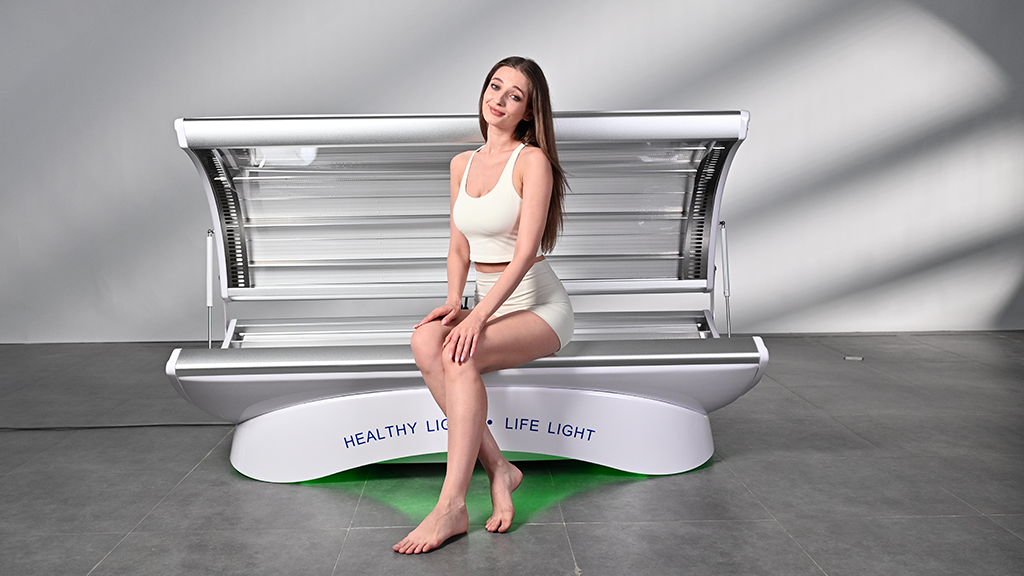
Merican Red Light Therapy Bed M4N for Professional Wellness Businesses
For businesses interested in adding professional red light therapy to their services, the Merican Red Light Therapy Bed M4N can be considered for commercial environments such as beauty salons, spas, gyms, wellness centers, recovery facilities, and professional light therapy studios.
Merican has 18 years of experience in the light therapy industry and has a professional technical and R&D team supporting product development, engineering, manufacturing, and customized commercial solutions.
The company offers OEM & ODM customization services, allowing businesses to develop equipment solutions according to their branding, market requirements, and commercial positioning.
Merican can also provide customized logo services for global stores, beauty salons, spas, gyms, wellness centers, and other professional businesses, helping partners create a consistent branded experience.
The company has developed multiple patented technologies and offers products with multiple certifications and qualifications for international markets. Certification availability should be confirmed according to the selected model and destination market.
For professional buyers, Merican also provides technical and manufacturing support for international customers and can offer 3–5 years of warranty support depending on the specific product and commercial terms.
With its experience in professional light therapy equipment, Merican can support businesses that want to develop a branded red light therapy service rather than simply purchase a standard consumer device.
Frequently Asked Questions
Can red light therapy help hay fever?
Early research suggests that photobiomodulation may have potential for allergic rhinitis. A 2025 randomized clinical trial reported improvements in several nasal and respiratory outcomes, but more research is needed.
What are the side effects of red light therapy for hay fever?
Available allergic-rhinitis research suggests that specific PBM protocols can be well tolerated. However, potential concerns with light therapy can include temporary sensitivity, discomfort, eye-related risks, and other reactions depending on the device and treatment method.
Is red light therapy safe for allergies?
For many appropriate users, photobiomodulation is generally considered low risk, but it is not suitable for everyone. The FDA identifies photosensitivity disorders, certain medications, pregnancy, some implanted devices, cancer at the treatment site, and active wounds or infections among situations requiring avoidance or caution.
Can red light therapy replace antihistamines?
There is currently insufficient evidence to recommend red light therapy as a universal replacement for established allergy treatments.
Can I use a red light therapy bed for hay fever?
A full-body red light therapy bed is not equivalent to the targeted intranasal PBM protocols studied in allergic rhinitis research. Therefore, research findings should not automatically be interpreted as evidence that a full-body bed treats hay fever.
How often should red light therapy be used for allergic rhinitis?
There is no universally established schedule. One 2025 clinical trial used PBM twice weekly for eight sessions over one month. Follow the protocol for the specific device rather than assuming daily treatment is better.
Conclusion
If you are researching “red light therapy hayfever side effects,” the current evidence provides an interesting but still developing picture.
Research has investigated photobiomodulation as a potential approach for allergic rhinitis, and recent randomized clinical evidence has reported improvements in several nasal and respiratory outcomes.
At the same time, the research uses specific treatment protocols, and these results should not automatically be applied to every red light therapy panel, mask, or full-body red light therapy bed.
For responsible use, follow the manufacturer’s instructions, pay attention to eye protection, avoid excessive exposure, check medication-related photosensitivity, and consult a healthcare professional when you have relevant medical conditions or persistent symptoms.
For professional wellness businesses, Merican Red Light Therapy Bed M4N provides a full-body red light therapy solution suitable for commercial environments such as beauty salons, spas, gyms, wellness centers, and recovery facilities.
Backed by 18 years of industry experience, a professional technical and R&D team, OEM & ODM customization capabilities, customized logo services for global businesses, multiple patented technologies, and multiple product certifications, Merican can support businesses looking for professional and customizable red light therapy equipment.
Merican also provides international technical and manufacturing support and can offer 3–5 years of warranty support depending on the selected product and commercial terms, making it a potential long-term equipment partner for businesses developing professional light therapy services.