Dark spots and uneven skin tone are among the most common skin concerns for people of all ages. Caused by sun exposure, aging, hormonal changes, post-acne inflammation, and poor skin metabolism, stubborn dark spots can easily make the skin look dull, aged, and lifeless. Many people rely on whitening serums, exfoliating products, or chemical peels to fade pigmentation, yet these methods often have slow effects, cause skin irritation, or fail to solve recurring pigmentation problems. In recent years, red light therapy has become a popular safe skincare solution, and multiple skincare studies and user practices confirm that red light therapy help with dark spots effectively, delivering gentle, long-lasting skin brightening and pigment-fading results.
What Causes Dark Spots & Recurring Pigmentation
To fade dark spots fundamentally, it is essential to understand the root causes of pigmentation formation. Dark spots including sun spots, age spots, melasma, and post-inflammatory hyperpigmentation all form due to abnormal melanin accumulation in the skin. When the skin is stimulated by ultraviolet rays, inflammation, hormonal fluctuations, or external pressure, melanocytes will over-secrete melanin to protect the skin. If the skin’s metabolism is slow, excessive melanin cannot be excreted normally, and it will deposit on the epidermis and dermis, forming visible dark spots and uneven skin tone.
Most traditional skincare products only act on the skin’s surface, fading superficial melanin temporarily but failing to repair damaged skin cells and boost basal metabolism. This is why dark spots always recur easily. Red light therapy differs greatly from chemical skincare methods, targeting pigmentation from the cellular level to achieve thorough improvement.
How Red Light Therapy Helps Eliminate Dark Spots: Core Mechanisms
Professional red light therapy devices emit 630–670nm red light and 810–850nm near-infrared light, which can safely penetrate the skin’s epidermis and dermis without UV damage or irritation. It improves dark spots and pigmentation through four core scientific principles:
1. Inhibits excessive melanin production Red light regulates the activity of tyrosinase, the key enzyme that triggers melanin synthesis. It effectively suppresses overactive melanocyte secretion, reduces new melanin generation, and prevents dark spots from deepening and spreading, cutting off the source of pigmentation.
2. Accelerates skin melanin metabolism Light energy boosts blood microcirculation in facial and body skin, speeds up lymphatic metabolism, and promotes the rapid excretion of accumulated melanin and waste in skin cells. It gradually fades old dark spots and lightens stubborn pigmentation over time.
3. Repairs inflamed skin barriers Post-acne dark spots and inflammatory pigmentation are closely related to damaged skin barriers. Red light repairs fragile skin tissues, reduces skin inflammation, calms redness and sensitivity, and prevents secondary pigmentation caused by repeated inflammation.
4. Stimulates collagen regeneration and brightens skin tone Red light activates fibroblast activity, promotes collagen and elastin synthesis, improves skin dullness and roughness, makes skin more translucent and smooth, and covers up faint pigmentation while fading dark spots.
Types of Dark Spots Improved by Red Light Therapy
Red light therapy is suitable for almost all common mild and moderate pigmentation problems, with remarkable improvement effects:
- Sun spots: Fades dark spots caused by long-term UV exposure and outdoor activities, restoring uniform skin tone. – Age spots: Improves aging pigmentation caused by slow skin metabolism and cell aging, delaying skin aging. – Post-acne hyperpigmentation: Lightens red and brown acne marks left by inflammatory acne, repairing acne-prone skin. – Hormonal faint melasma: Improves dull pigmentation caused by hormonal imbalance and poor metabolism. – General skin dullness: Brightens overall complexion, eliminates yellowish and grayish skin tone, and enhances skin translucency.
Practical Skincare Tips for Better Pigment Fading Effects
Red light therapy is a gentle, non-invasive auxiliary skincare method with no side effects. To maximize the effect of fading dark spots, standardized and persistent use is required. It is recommended to use the device for 10–15 minutes each time, 4–5 times a week. Most users can see obvious lightened dark spots and brighter skin tone after 3–4 weeks of continuous use.
During the treatment period, cooperate with daily sun protection to avoid new melanin deposition. Meanwhile, match with basic moisturizing skincare to maintain a healthy skin barrier, which can double the pigment-fading and brightening effect. Note that red light therapy is not a medical treatment; severe melasma and pathological pigmentation need professional dermatological diagnosis.
Premium Merican Red Light Device for Dark Spot & Skin Care
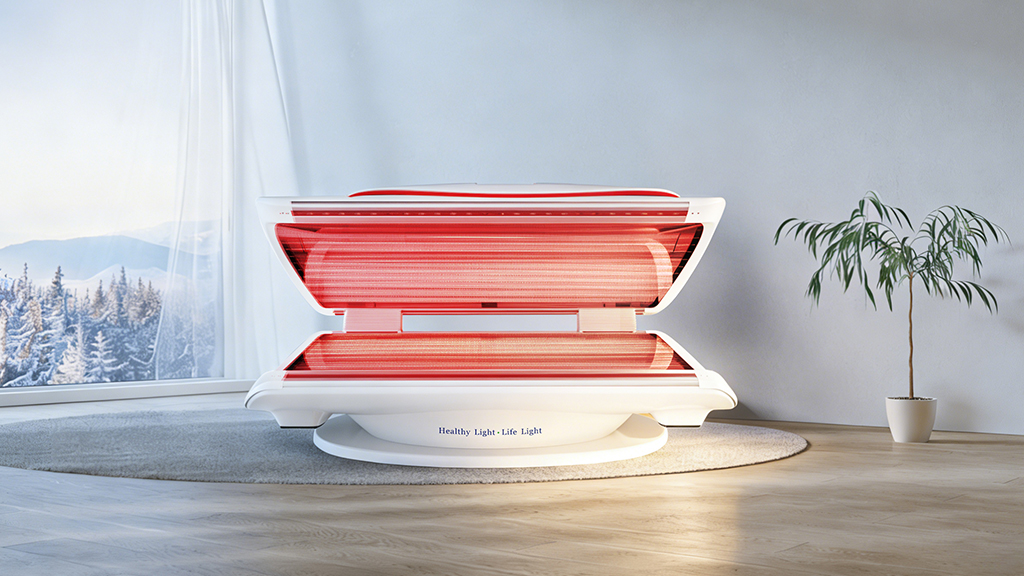
Device wavelength accuracy and light uniformity directly determine the effect of fading dark spots. Merican, a professional red light therapy equipment manufacturer, provides high-quality skincare phototherapy devices for global merchants and users. The flagship Red Light Therapy Bed M6N is widely used in beauty salons, spas, and wellness centers. With precisely calibrated therapeutic wavelengths and high-density uniform light output, it acts on full-body skin, accelerates overall skin metabolism, fades stubborn dark spots, eliminates dullness, and helps users achieve bright, translucent, and even skin tone.
Merican supports professional OEM & ODM customization services. The professional technical team provides one-stop personalized solutions for beauty salons, gyms, skincare institutions and offline stores, including exclusive brand logo customization, equipment appearance optimization, and parameter adjustment. It helps merchants create exclusive private brand products and enhance market competitiveness. In addition, Merican is actively recruiting global agents and distributors, providing comprehensive technical training, market support and policy concessions, sincerely partnering with global practitioners to develop the high-potential red light skincare market.