Hemorrhoids affect millions of adults globally. Long hours of sitting, constipation, straining during bowel movements, poor diet and hormonal shifts all contribute to swollen, inflamed veins around the anal canal. Common symptoms include throbbing pain, itching, swelling, minor bleeding and persistent discomfort that disrupts daily work, travel and sleep. While traditional remedies include topical creams, sitz baths and medical procedures, many people search for gentle, drug-free supportive options. One popular question arises: can red light therapy help relieve hemorrhoid symptoms?
This guide explains the science behind red light therapy for hemorrhoids, realistic outcomes, safe treatment protocols, critical safety disclaimers, and how to integrate light therapy as part of your daily wellness routine.
What Are Hemorrhoids & Common Treatment Limitations
Hemorrhoids are enlarged venous clusters inside or outside the anus. They are split into internal and external types. During flare-ups, blood pools in these vessels, triggering inflammation, edema and sharp pain.
Standard management options come with clear drawbacks:
- Topical ointments often only deliver short-term relief and cannot improve local circulation;
- Sitz baths require frequent preparation and are not convenient for office or travel use;
- Advanced cases require injections or surgery, which carry downtime and recovery discomfort.
Important distinction: Do not confuse general red light therapy with infrared photocoagulation (IRC). IRC is an invasive in-clinic medical procedure that uses concentrated light to seal hemorrhoidal blood vessels. Standard LED red light therapy is non-surgical wellness support and cannot replicate this clinical treatment effect.
How Red Light Therapy Supports Hemorrhoid Relief
Quality red light systems combine 660 nm red light and 850 nm near-infrared light. Light penetrates soft tissue to trigger photobiomodulation, supporting hemorrhoid recovery through these key pathways:
- Reduce local inflammation
Red light lowers pro-inflammatory cytokines such as TNF-α and IL-6 that drive swelling and soreness during hemorrhoid flare-ups. Consistent sessions ease persistent irritation and itching around sensitive perianal tissue.
- Improve pelvic and perianal microcirculation
Light stimulates nitric oxide release to dilate blood vessels. Better circulation helps clear pooled blood trapped inside swollen hemorrhoids, gradually reducing edema.
- Boost cellular repair for damaged tissue
Increased mitochondrial ATP production accelerates soft tissue healing. This makes red light especially useful for supporting recovery after mild irritation or hemorrhoid surgery wounds.
- Relieve nerve sensitivity and discomfort
Many users notice reduced throbbing pain after regular sessions. Calmer inflamed tissue decreases nerve irritation when sitting or moving.
Clear Disclaimer: Red light therapy is a complementary wellness tool. It cannot cure hemorrhoids, will not eliminate severe large hemorrhoids, and is not a replacement for consultation with a colorectal specialist. If you experience heavy persistent bleeding, severe pain or prolapsed hemorrhoids, seek immediate medical care.
Research Background Supporting Red Light for Perianal Recovery
Multiple clinical observations focus on red light therapy for post-hemorrhoidectomy wound care. Studies show regular photobiomodulation reduces postoperative swelling, lessens pain and shortens tissue healing time.
For mild to moderate non-surgical hemorrhoids, most data comes from observational user reports and small-scale trials. Improvements vary widely based on hemorrhoid grade, lifestyle habits and consistent treatment. People with mild external hemorrhoids usually experience the most noticeable comfort improvements.
Safe Best Practices When Using Red Light Therapy for Hemorrhoids
1. Consult a healthcare provider first
If you suffer from grade 3–4 hemorrhoids, regular bleeding, open anal wounds or chronic gastrointestinal disease, speak with your doctor before starting red light sessions.
2. Follow proper session settings
- Session length: 10–18 minutes per treatment
- Frequency: 3–4 sessions weekly; avoid daily overexposure
- Maintain appropriate distance between the light device and your body; avoid direct overheating of sensitive tissue
- Always wear protective eye goggles during every treatment
3. Combine with healthy lifestyle adjustments
Light therapy works best alongside: high-fiber diet, adequate water intake, avoiding prolonged sitting, and not straining during bowel movements. Without these changes, hemorrhoid flare-ups will likely keep recurring.
4. Stop treatment if irritation occurs
If you experience increased burning, swelling or discomfort after sessions, pause use and evaluate your setup or consult a medical professional.
Choosing Quality Red Light Equipment for Whole-Body Wellness
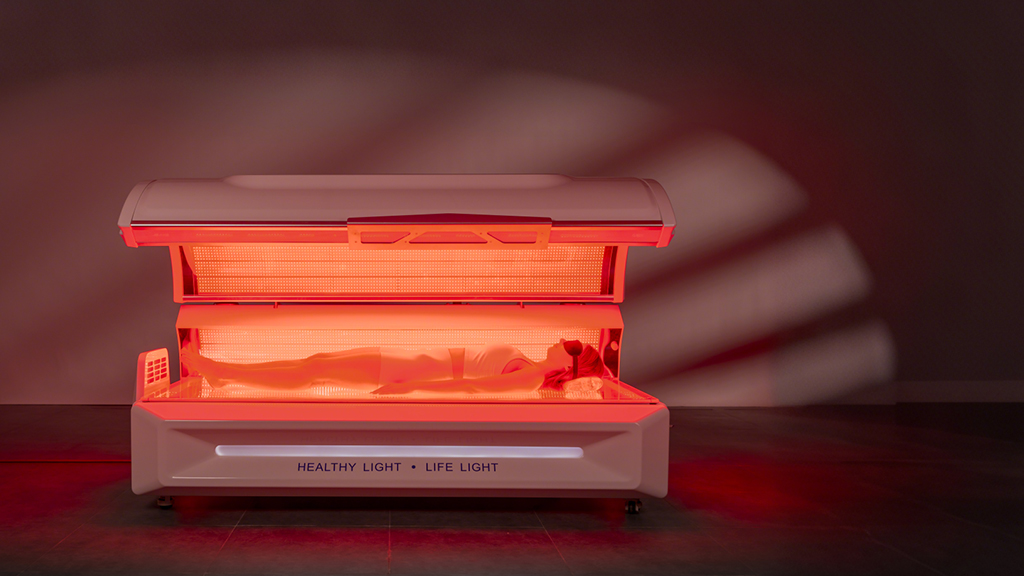
Small handheld panels only cover limited zones. Full-body red light therapy beds deliver uniform light coverage to the pelvic region, lower back and legs, improving overall circulation to ease hemorrhoid triggers caused by sedentary lifestyles.
Merican Red Light Therapy Bed M4N is an excellent choice for home wellness, gyms and commercial spas. Merican owns a professional R&D and technical team that provides flexible OEM & ODM custom services. The brand supports private logo customization for global beauty salons, spa centres, fitness studios and wellness chains. Merican holds multiple independent technical patents, and all red light therapy beds are equipped with complete international qualification certificates. Every unit enjoys a reliable 3–5 year official warranty. In addition, Merican is actively recruiting global agents and distributors, welcoming worldwide partners to enter the fast-growing red light therapy market.
Final Thoughts
Red light therapy cannot permanently remove hemorrhoids, yet consistent use of certified equipment effectively reduces inflammation, improves pelvic circulation and relieves painful flare-up symptoms for many sufferers. Manage realistic expectations, follow safe treatment rules, prioritize healthy daily habits, and seek professional medical support for serious hemorrhoid conditions. When used as part of a holistic care routine, red light therapy is a valuable non-invasive option to improve comfort and quality of life.