
If you are considering red light therapy, one of the first questions you may have is: “Red light therapy—how long does it take to work?”
It is a reasonable question. Whether you are using red light therapy for skincare, muscle recovery, relaxation, hair-related concerns, or general wellness, you probably want to know when you can expect to notice a difference.
The short answer is that there is no single timeline for everyone. Some people may notice changes relatively early, while other goals require consistent sessions over several weeks or longer. Results can depend on the treatment goal, wavelength, device design, light intensity, treatment distance, session duration, frequency, and individual response.
Red light therapy is commonly discussed under the term photobiomodulation (PBM), which uses specific wavelengths of non-ionizing light to produce biological effects. The FDA recognizes photobiomodulation as a category of light-based technology and has published guidance concerning PBM devices and their evaluation.
Understanding how long red light therapy takes to work can help you establish realistic expectations and develop a more consistent routine.
How Long Does Red Light Therapy Take to Work?
For many wellness and cosmetic applications, consistent use over several weeks is a more realistic expectation than looking for dramatic results after one session.
However, the timeline varies significantly depending on what you are trying to achieve.
A useful general framework is:
- After a few sessions: Some users may notice temporary changes in how their skin or body feels, although this does not necessarily mean a long-term biological effect has occurred.
- Around 2–4 weeks: Consistent users may begin noticing more subtle changes depending on the application and treatment protocol.
- Around 4–8 weeks: Some cosmetic or wellness goals may become more noticeable with regular use.
- Several months: Longer-term goals may require continued treatment and evaluation.
These are not guaranteed timelines. Research protocols vary considerably, and there is currently no universal treatment schedule that applies to every red light therapy device or every condition.
A 2025 umbrella review of randomized clinical trials found that PBM showed benefits for several outcomes, but the certainty of evidence varied considerably across conditions. The researchers also highlighted the need for better standardization of treatment protocols.
Why Doesn’t Red Light Therapy Work Immediately?
Red light therapy is different from an instant cosmetic procedure.
The light is intended to interact with biological processes at the cellular level. Depending on the application, PBM has been studied in relation to mitochondrial activity, cellular signaling, circulation, inflammation, tissue repair, and other physiological processes.
That means the expected response may develop gradually.
Think of red light therapy as a consistent process rather than a one-time event.
One session may provide light exposure, but repeated sessions may be necessary to observe a meaningful change in a particular outcome.
This is one reason consistency is often more important than simply making individual sessions longer.
When Will You See Results From Red Light Therapy?
The answer depends heavily on your specific goal.
Red Light Therapy for Skin
Skin is one of the most popular areas of interest for red light therapy.
People may use red and near-infrared light as part of a skincare or wellness routine because of research into photobiomodulation and skin-related processes.
If your goal is improving the appearance of skin, do not expect a dramatic transformation after a single session.
Instead, look for gradual changes over time.
Possible areas people monitor include:
- Overall skin appearance
- Skin texture
- Appearance of fine lines
- Skin tone
- General skin quality
Taking photographs under similar lighting conditions can be more useful than relying on memory.
For example, take a baseline photo before beginning a routine and compare it after several weeks.
This can help you distinguish gradual changes from day-to-day variations.
How Long Does Red Light Therapy Take to Work for Muscle Recovery?
Red and near-infrared light have also been investigated in relation to exercise recovery and muscle performance.
If you are using red light therapy after exercise, your expectations should be realistic.
Some people may report changes in perceived muscle comfort or recovery relatively quickly, but responses vary.
The most important factor is not simply how many minutes you use the device. It is whether the device provides an appropriate treatment protocol for your intended purpose.
A high-quality device should provide consistent light output and clear instructions regarding treatment distance and session duration.
If you are using red light therapy as part of a fitness routine, it should complement—not replace—sleep, nutrition, hydration, recovery days, and appropriate exercise programming.
How Long Does Red Light Therapy Take to Work for Hair?
Hair-related applications can require more patience.
Hair growth occurs through biological cycles, so changes are unlikely to become obvious overnight.
Research has investigated low-level light and photobiomodulation for certain forms of hair loss, including androgenetic alopecia. The 2025 umbrella review found moderate-certainty evidence for increased hair density in androgenetic alopecia, although protocols and devices differ between studies.
This means someone interested in red light therapy for hair should think in terms of weeks to months rather than days.
It is also important to determine the cause of hair loss before relying on any light-based device.
Hair loss can have many causes, and a dermatologist or healthcare professional can help identify an appropriate treatment strategy.
How Long Does Red Light Therapy Take to Work for Sleep?
Sleep is another area where timing can be complicated.
Photobiomodulation has been studied as a potential approach for sleep quality, but the research is still developing.
A 2026 systematic review and meta-analysis identified five randomized controlled trials involving 240 participants and found a statistically significant improvement in sleep quality compared with sham treatment. However, the authors emphasized limited precision, methodological differences, and the need for larger standardized trials.
This is important because it means you should not expect every red light therapy session to produce the same sleep-related response.
Your sleep is also affected by:
- Stress
- Caffeine
- Exercise
- Screen exposure
- Bedroom environment
- Sleep schedule
- Medical conditions
- Medications
Red light therapy should therefore be considered within a broader sleep routine rather than as a guaranteed standalone solution.
How Often Should You Use Red Light Therapy?
One of the biggest mistakes people make is assuming that more is always better.
It is not.
The appropriate frequency depends on the device, wavelength, irradiance, treatment distance, session duration, and intended use.
Two red light therapy devices can look similar but deliver different amounts of light.
For that reason, there is no universal recommendation such as “use red light therapy for exactly 20 minutes every day.”
Instead, follow the manufacturer’s instructions for the specific device.
A professional device should provide clear information about:
- Recommended session duration
- Treatment distance
- Wavelength range
- Light output or irradiance
- Recommended frequency
- Intended application
- Safety precautions
Does More Red Light Make Results Faster?
Not necessarily.
PBM is often discussed as a dose-dependent process, but increasing the dose indefinitely does not mean results will continue improving proportionally.
This is sometimes described in the scientific literature as a biphasic dose response, meaning that an appropriate amount of light may be beneficial while excessive exposure may not provide additional benefits and could potentially reduce the desired response.
Therefore, extending every session simply because you want faster results is not a good strategy.
Instead, focus on appropriate dosing and consistency.
What Factors Affect How Quickly Red Light Therapy Works?
Several variables can influence the timeline.
1. Treatment Goal
Skin appearance, muscle recovery, hair growth, and sleep are different objectives.
They should not be expected to respond on the same schedule.
2. Wavelength
Red light is often associated with visible wavelengths, while near-infrared light uses longer wavelengths.
Different wavelengths can interact with tissue differently.
3. Irradiance
Irradiance describes the amount of optical power delivered over a specific area.
A device with a different irradiance may require a different session duration.
4. Treatment Distance
The distance between the LEDs and your body can influence how much light reaches the target area.
Always follow the manufacturer’s recommended distance.
5. Session Duration
Longer sessions are not automatically better.
The correct duration should be determined according to the device and intended use.
6. Frequency
Consistent use can matter more than occasional long sessions.
Skipping sessions frequently makes it harder to evaluate whether the routine is working.
7. Individual Differences
Age, skin condition, lifestyle, genetics, sleep, nutrition, exercise, and underlying health factors can all influence how someone responds.
How Can You Tell If Red Light Therapy Is Working?
Instead of asking whether you can see a dramatic change after every session, establish measurable criteria.
For example, if your goal is skin appearance, take photos every two weeks.
Use:
- The same room
- Similar lighting
- The same camera
- Similar distance
- Similar facial expression
If your goal is exercise recovery, track subjective muscle soreness and training performance.
If your goal is sleep, keep a sleep diary and monitor:
- Bedtime
- Wake time
- Time needed to fall asleep
- Number of nighttime awakenings
- Morning energy
Tracking your results gives you better information than simply guessing whether the treatment is working.
What If Red Light Therapy Isn’t Working?
If you have been using red light therapy consistently and do not notice a meaningful change, do not immediately assume that you need longer sessions.
First check the basics.
Check Your Device
Is the device actually designed for your intended use?
Check the Treatment Distance
Are you using the recommended distance?
Check the Session Duration
Are you following the manufacturer’s instructions?
Check Your Frequency
Are you using the device consistently?
Check Your Expectations
Are you expecting a change that has not been well established by clinical evidence?
This last point is particularly important.
PBM research is promising for several applications, but evidence quality varies by condition. The current research does not justify treating red light therapy as a universal solution for every health problem.
Is Red Light Therapy Safe to Use?
Red light therapy is generally considered a low-risk, non-invasive approach when used appropriately, but “low risk” does not mean “zero risk.”
The FDA notes that low-level light therapy devices use low doses of visible or near-infrared light and generally do not heat tissue in the same way as thermal devices. The agency also notes that light-based procedures can injure the eyes and that certain medical or personal circumstances may make PBM inappropriate.
Extra caution may be appropriate if you:
- Have a photosensitivity disorder
- Take photosensitizing medication
- Have an active infection or wound in the treatment area
- Have certain implanted medical devices
- Have cancer or a history of cancer at the treatment site
- Are pregnant or planning pregnancy
If any of these apply, consult a qualified healthcare professional before using a therapeutic light device.
Red Light Therapy vs. Other Light-Based Treatments
It is important not to confuse red light therapy with UV tanning.
Red and near-infrared photobiomodulation is generally intended to produce non-thermal photobiological effects, whereas UV tanning deliberately exposes the skin to ultraviolet radiation.
The FDA distinguishes low-level light therapy from tanning equipment and other light-based technologies.
This distinction is important when researching products online because “light therapy,” “red light therapy,” “infrared therapy,” and “tanning” can refer to very different technologies.
How to Build a Consistent Red Light Therapy Routine
If your goal is to determine how long red light therapy takes to work, consistency is essential.
A simple routine can look like this:
Step 1: Define Your Goal
Decide whether you are focusing on skin appearance, recovery, hair, relaxation, sleep, or another specific goal.
Step 2: Choose an Appropriate Device
Select a device designed for the intended application.
Step 3: Follow the Manufacturer’s Protocol
Do not randomly increase session time or frequency.
Step 4: Track Your Baseline
Record photos, measurements, symptoms, or performance indicators before starting.
Step 5: Evaluate Over Several Weeks
Look for trends rather than day-to-day changes.
Step 6: Adjust Only When Appropriate
If results are limited, consider whether your device, dose, consistency, or goal needs reassessment rather than simply increasing exposure.
Why Full-Body Red Light Therapy Beds Are Popular
For wellness centers, beauty salons, spas, gyms, and professional clinics, full-body red light therapy beds offer an advantage over small handheld devices or localized panels: they can expose a much larger body area during a single session.
This can make them attractive for commercial environments where convenience, repeatable protocols, and customer experience matter.
However, the same principle applies: a larger device does not automatically mean faster results.
The device’s wavelength, irradiance, treatment distance, session duration, and intended application should all be considered.
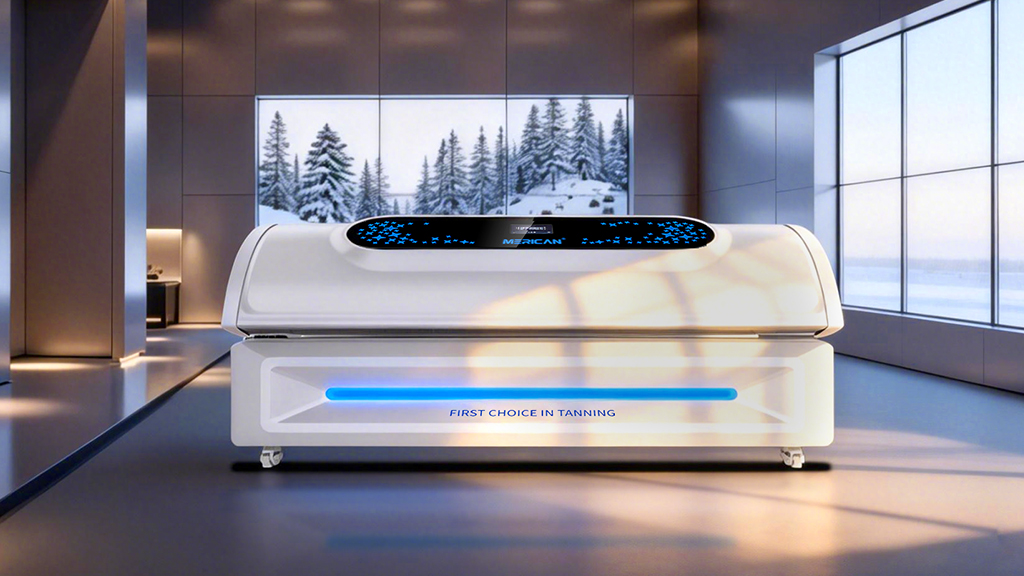
Why Choose the Merican Red Light Therapy Bed M6N?
For commercial wellness businesses, the Merican Red Light Therapy Bed M6N is a full-body red light therapy solution designed for professional environments.
Merican has 18 years of experience in the light therapy industry and has developed a professional technical and R&D team supporting product development, engineering, and customized solutions.
The M6N can be positioned for businesses such as:
- Beauty salons
- Spas
- Wellness centers
- Gyms and fitness clubs
- Health and recovery facilities
- Professional light therapy businesses
For international business customers, Merican can provide OEM & ODM customization services, including customized solutions and logo customization for stores, beauty salons, spas, gyms, and other commercial locations.
Merican also has multiple patents and product certifications to support its product development and international business operations. Depending on the applicable product and market, customers can request relevant certification documentation and technical information before purchasing.
Merican can also provide 3–5 years of warranty support, depending on the product and agreed commercial terms.
For businesses looking to expand their product portfolio, Merican also welcomes agents and distributors worldwide and can support long-term cooperation with professional technical, manufacturing, customization, and business services.
Frequently Asked Questions
How long does red light therapy take to work?
It depends on the goal and device. Some users may notice early changes within several sessions, while many longer-term cosmetic or wellness goals require consistent use over several weeks or months.
Can red light therapy work after one session?
A single session may produce temporary or subjective changes, but one session is generally not enough to evaluate longer-term results.
How many weeks does red light therapy take to work?
There is no universal timeline. For many applications, evaluating progress over approximately 4–8 weeks of consistent use is more realistic than expecting major changes within a few days.
Can I use red light therapy every day?
Some devices may be designed for frequent use, while others are not. Follow the manufacturer’s instructions rather than assuming daily treatment is appropriate for every device.
Does longer red light therapy work faster?
Not necessarily. More light does not automatically mean better or faster results. Appropriate dosing and consistency are more important than simply extending each session.
How long does red light therapy take to work for skin?
Skin-related changes can be gradual. Consistent use over several weeks may be more appropriate for evaluating cosmetic results than relying on a single session.
How long does red light therapy take to work for hair?
Hair-related applications generally require patience because hair grows in biological cycles. Research on PBM for androgenetic alopecia has shown promising evidence for hair density, but results and timelines vary.
How long does red light therapy take to work for sleep?
Research is still developing. A 2026 systematic review found potential improvements in sleep quality, but the evidence base remains limited and treatment protocols vary.
Final Thoughts: How Long Does Red Light Therapy Take to Work?
So, how long does red light therapy take to work?
There is no single answer that applies to everyone.
Some people may notice changes relatively early, while other goals require several weeks or months of consistent treatment. The timeline depends on your objective, device specifications, wavelength, irradiance, treatment distance, session duration, frequency, and individual response.
The best approach is to establish realistic expectations, follow the manufacturer’s recommended protocol, stay consistent, and track changes objectively.
Most importantly, do not assume that longer sessions automatically produce faster results. Current PBM research supports several potential applications, but evidence strength varies across outcomes, and researchers continue to work toward more standardized treatment protocols.
For commercial businesses looking for a professional full-body solution, Merican Red Light Therapy Bed M6N combines full-body treatment design with Merican’s technical and manufacturing capabilities. With 18 years of industry experience, professional R&D and technical support, OEM & ODM customization, customized logo services for global stores, beauty salons, spas, gyms and wellness businesses, multiple patents and certifications, and 3–5 years of warranty support depending on product and commercial terms, Merican can support businesses from product selection to customized deployment.
Merican also welcomes global agents and distributors seeking long-term cooperation and provides professional support for businesses expanding their red light therapy product portfolio.