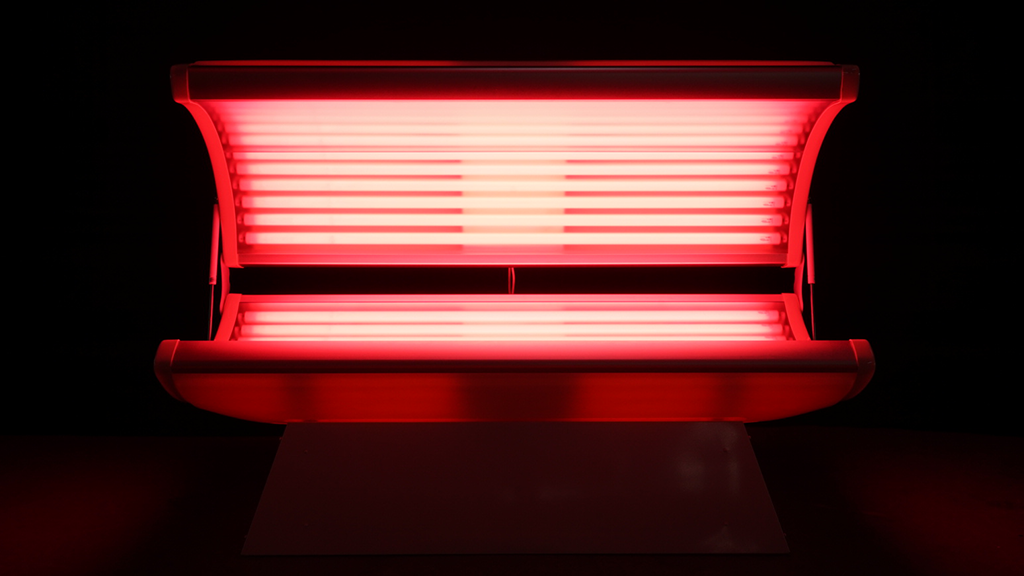
Light-based therapies have become increasingly popular in both medical and wellness fields. Two technologies that are often compared are red light therapy and cold laser therapy. While both treatments use specific wavelengths of light to stimulate biological responses in the body, they differ in their technology, intensity, and typical applications. Understanding the differences between red light therapy vs cold laser therapy can help patients and wellness professionals determine which option may be most suitable for specific treatment goals.
Understanding Light-Based Therapy
Light therapy works by exposing the body to specific wavelengths of light that can influence cellular activity. This process is often referred to as photobiomodulation, where light energy interacts with cells to stimulate biological processes such as energy production, circulation, and tissue repair.
Both red light therapy and cold laser therapy operate within the red or near-infrared light spectrum. These wavelengths are known for their ability to penetrate the skin and reach deeper tissues without causing thermal damage.
Although they share a similar principle, the way these technologies deliver light energy is different.
What Is Red Light Therapy?
Red light therapy typically uses LED light sources that emit wavelengths around 630–660 nm in the red spectrum and sometimes 810–850 nm in the near-infrared range. These wavelengths penetrate the skin and are absorbed by mitochondria within cells.
When mitochondria absorb red light, they can increase the production of adenosine triphosphate (ATP), the energy currency of the cell. Higher cellular energy levels may support various biological processes such as tissue repair and skin regeneration.
Common benefits associated with red light therapy include:
-
Skin rejuvenation and anti-aging support
-
Improved circulation
-
Muscle recovery after exercise
-
Joint and tissue support
-
Enhanced skin tone and collagen production
Red light therapy is commonly delivered through LED panels, handheld devices, or full-body red light therapy beds used in wellness centers, aesthetic clinics, and fitness recovery facilities.
What Is Cold Laser Therapy?
Cold laser therapy, also known as low-level laser therapy (LLLT), uses concentrated laser light rather than LED light. The term “cold laser” refers to the fact that the laser operates at a low intensity and does not produce significant heat during treatment.
Cold laser therapy typically uses wavelengths between 600 nm and 1000 nm, similar to red light therapy. However, the key difference is that laser light is coherent and highly focused, allowing it to target very specific areas of the body.
Because of this precision, cold laser therapy is commonly used in clinical and rehabilitation settings for:
-
Pain management
-
Sports injury recovery
-
Physical therapy treatments
-
Soft tissue healing
-
Nerve regeneration support
Healthcare professionals often apply handheld laser probes directly to the affected area during treatment sessions.
Key Differences Between Red Light Therapy and Cold Laser Therapy
Although both treatments rely on photobiomodulation, several technical differences separate the two approaches.
Light Source
Red light therapy typically uses LED technology that distributes light across a larger surface area. Cold laser therapy uses focused laser beams that target specific points.
Treatment Area
Red light therapy is well suited for large treatment areas or full-body applications, while cold laser therapy is designed for localized treatments.
Energy Delivery
Cold lasers deliver highly concentrated energy to a precise location, whereas LED red light therapy provides broader light coverage at a lower intensity.
Typical Use Environments
Red light therapy is often used in wellness centers, spas, and home devices. Cold laser therapy is more commonly used in medical clinics and rehabilitation environments.
Advantages of Red Light Therapy
Red light therapy is widely appreciated for its versatility and ease of use. Large treatment systems can deliver consistent light exposure across broader areas of the body, making them ideal for skin treatments and overall wellness applications.
Because LED light covers larger surfaces, red light therapy is commonly used for:
-
Full-body skin rejuvenation
-
Sports recovery
-
Muscle relaxation
-
Beauty and aesthetic treatments
The ability to treat multiple areas simultaneously makes red light therapy popular in commercial wellness facilities.
Advantages of Cold Laser Therapy
Cold laser therapy offers greater precision, which makes it useful for targeting specific injuries or pain points. For example, therapists may use laser probes to treat tendons, joints, or nerve pathways.
The focused nature of laser light allows practitioners to concentrate treatment on small areas requiring attention.
This makes cold laser therapy particularly useful in physical therapy and sports medicine.
Which Treatment Is Better?
The choice between red light therapy and cold laser therapy largely depends on the treatment goal.
If the objective is full-body wellness, skin rejuvenation, or muscle recovery, red light therapy may be more practical due to its larger treatment coverage.
If the goal is targeted treatment of injuries or localized pain, cold laser therapy may be more appropriate because of its precise energy delivery.
In many wellness and rehabilitation settings, the two technologies may even complement each other.
Conclusion
When comparing red light therapy vs cold laser therapy, both technologies offer unique advantages. Red light therapy provides broader coverage and is widely used for wellness and aesthetic treatments, while cold laser therapy offers targeted precision for clinical and rehabilitation applications.
Understanding the differences between these two photobiomodulation methods can help individuals choose the most appropriate treatment for their specific needs.