
When researching red light therapy, you will often see wavelengths described in “nm,” such as 630nm, 660nm, 810nm, or 850nm. Many people are unsure what this measurement means and why different wavelengths matter. Understanding nm in red light therapy is important because the wavelength determines how deeply the light penetrates the body and what kind of benefits it provides.
What Does nm Mean in Red Light Therapy?
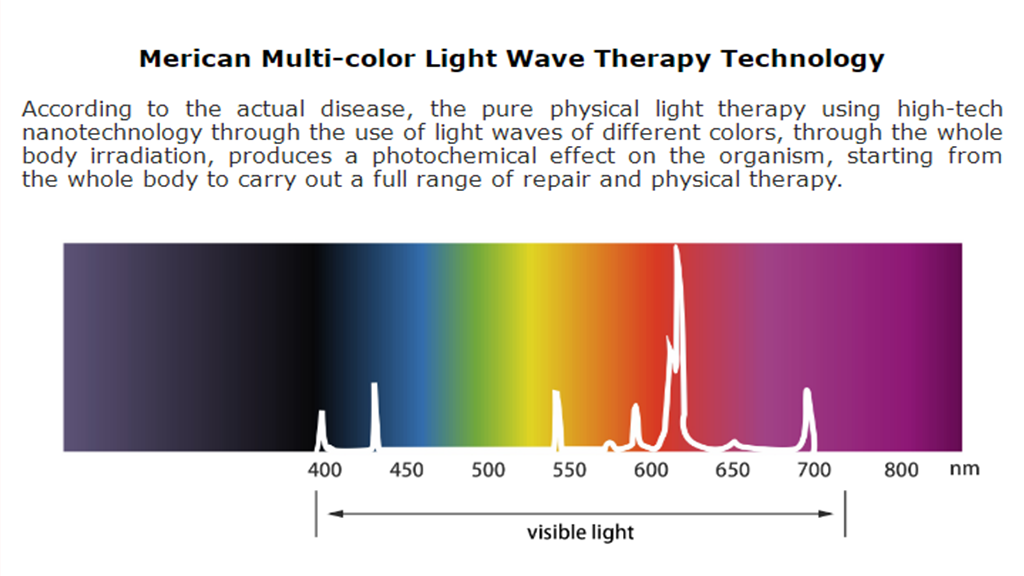
“nm” stands for nanometer, which is a unit used to measure the wavelength of light. Light therapy devices use specific wavelengths because different wavelengths interact with the body in different ways. In red light therapy and near-infrared therapy, the wavelength determines how deep the light can penetrate into the skin and tissue.
For example, shorter wavelengths like 630nm mainly affect the surface of the skin, while longer wavelengths like 850nm can penetrate deeper into muscles and joints.
Common Red Light Therapy Wavelengths
Here are the most commonly used wavelengths in red light therapy:
- 630nm – Skin health, surface-level treatment, improves skin tone
- 660nm – Collagen production, anti-aging, skin rejuvenation
- 810nm – Tissue repair, inflammation reduction
- 830nm – Cellular repair, improved circulation
- 850nm – Deep tissue, muscle recovery, joint pain relief
Each wavelength serves a different purpose, which is why many professional devices combine multiple wavelengths to achieve better overall results.
Why Wavelength Matters
Red light therapy works through a process called photobiomodulation. When specific wavelengths of light reach the cells, they stimulate the mitochondria to produce more ATP (cellular energy). More cellular energy means faster repair, reduced inflammation, and healthier tissue.
However, this process only works efficiently when the correct wavelength is used. If the wavelength is too short, it may not penetrate deep enough. If it is too long, it may not be absorbed efficiently by the skin.
This is why most professional red light therapy devices use clinically studied wavelengths such as 630nm, 660nm, 810nm, and 850nm.
Red Light vs Near-Infrared Wavelengths
Red light wavelengths (630–660nm) are best for:
- Skin rejuvenation
- Anti-aging
- Acne support
- Reducing fine lines
- Improving skin tone
Near-infrared wavelengths (810–850nm) are best for:
- Muscle recovery
- Joint pain relief
- Reducing inflammation
- Improving circulation
- Injury recovery
When combined, these wavelengths can treat both surface skin and deeper tissues at the same time.
Full-Body Red Light Therapy Systems
Because different wavelengths provide different benefits, full-body red light therapy systems often include multiple wavelengths in one device. Full-body exposure also ensures even light distribution, which improves treatment efficiency and consistency.
This is why full-body red light therapy beds are commonly used in wellness centers, rehabilitation clinics, and aesthetic facilities. They allow users to receive both red light and near-infrared therapy in one session, saving time while maximizing results.
How to Choose the Right Wavelength
Choosing the right wavelength depends on your goal:
| Goal | Recommended Wavelength |
|---|---|
| Skin rejuvenation | 630nm / 660nm |
| Anti-aging | 660nm |
| Acne | 630nm |
| Muscle recovery | 810nm / 850nm |
| Joint pain | 830nm / 850nm |
| Full body wellness | 630nm + 660nm + 850nm |
For most people, a combination of wavelengths is the best option because it provides both cosmetic and therapeutic benefits.
Conclusion
Understanding nm in red light therapy helps you choose the right treatment and device. Different wavelengths target different depths of the body, from skin rejuvenation to deep muscle recovery. Instead of choosing a single wavelength, many experts recommend multi-wavelength systems for more complete results.
Red light therapy is not just about light—it is about using the right wavelength to deliver the right biological effect. Once you understand how nm works, you can make better decisions about red light therapy treatments and equipment.