
If you want to achieve a beautiful, even tan using a tanning bed, knowing how long to tan for each session is crucial. Many people believe that staying in a tanning bed longer will produce faster results, but this is a common misconception. In reality, tanning results depend more on timing, consistency, and proper skin care than on extended exposure.
When you use a tanning bed, ultraviolet (UV) light stimulates your skin to produce melanin, the pigment that causes your skin to darken. However, melanin production is a gradual biological process. Your skin continues to develop color even after your tanning session has ended. Because of this, staying in the tanning bed longer than recommended will not significantly speed up your tan, but it will increase your risk of skin damage.
For beginners, the recommended tanning time is usually between 5 and 7 minutes per session. This shorter duration helps your skin gradually adjust to UV exposure and reduces the likelihood of burning. After a few sessions, once your skin starts to develop a base tan, you may gradually increase your session time by 1–2 minutes per visit, depending on how your skin responds.
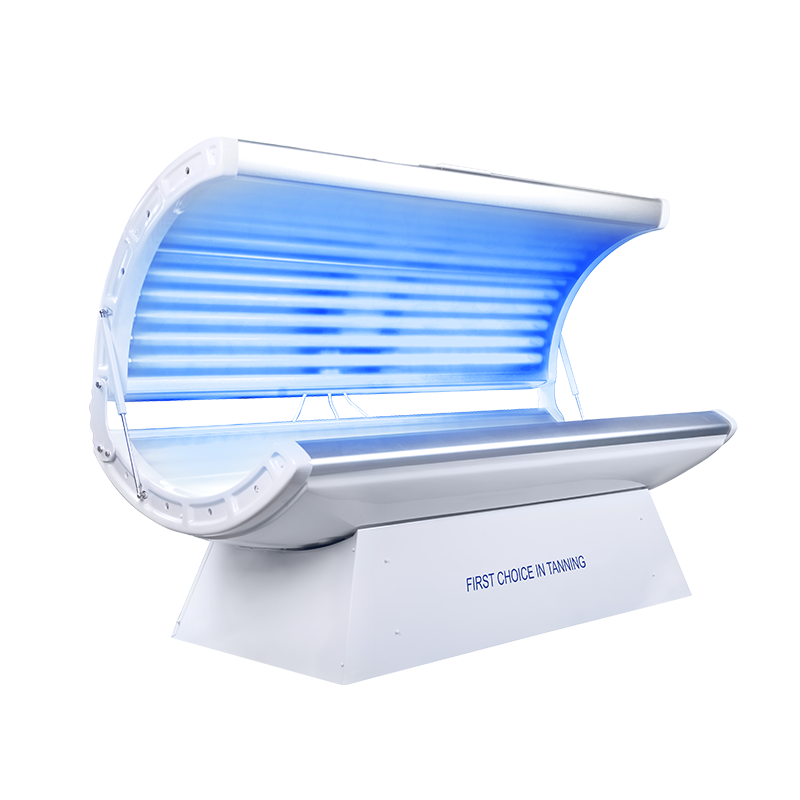
For intermediate users who already have some tanning experience, sessions may range from 8 to 12 minutes. Advanced users with well-developed base tans may tan for up to 12–15 minutes per session. However, it is important to follow the maximum exposure limits recommended by the tanning bed manufacturer or salon staff.
One of the most important factors in determining tanning time is your skin type. Fair skin burns more easily and should stick to shorter sessions with longer intervals between them. Medium skin types can handle moderate session lengths, while darker skin types may tolerate slightly longer sessions but still need to avoid overexposure.
Another factor to consider is the type of tanning bed. Some modern tanning beds are designed with higher efficiency and more even light distribution, allowing users to achieve better results in shorter sessions. This means you may not need to tan as long as you think to see noticeable results.
Consistency is more important than duration. Instead of trying to achieve a tan in one or two long sessions, it is better to follow a structured tanning schedule with properly spaced sessions. This allows your skin to gradually build and maintain color without unnecessary damage.
Skin care before and after tanning also affects how long you should tan. Exfoliating before your session helps remove dead skin cells, allowing for a more even tan. After tanning, moisturizing is essential to keep your skin hydrated and prevent peeling, which can shorten the lifespan of your tan.
It is also important to listen to your skin. If you notice redness, sensitivity, or discomfort after a session, it may be a sign that your tanning time was too long. In such cases, you should reduce your session length and allow more time for recovery.
In summary, the ideal tanning bed session length varies depending on your skin type, experience, and equipment, but generally ranges from 5 to 15 minutes. Short, consistent sessions combined with proper skin care will give you better and safer results than long, infrequent exposure.