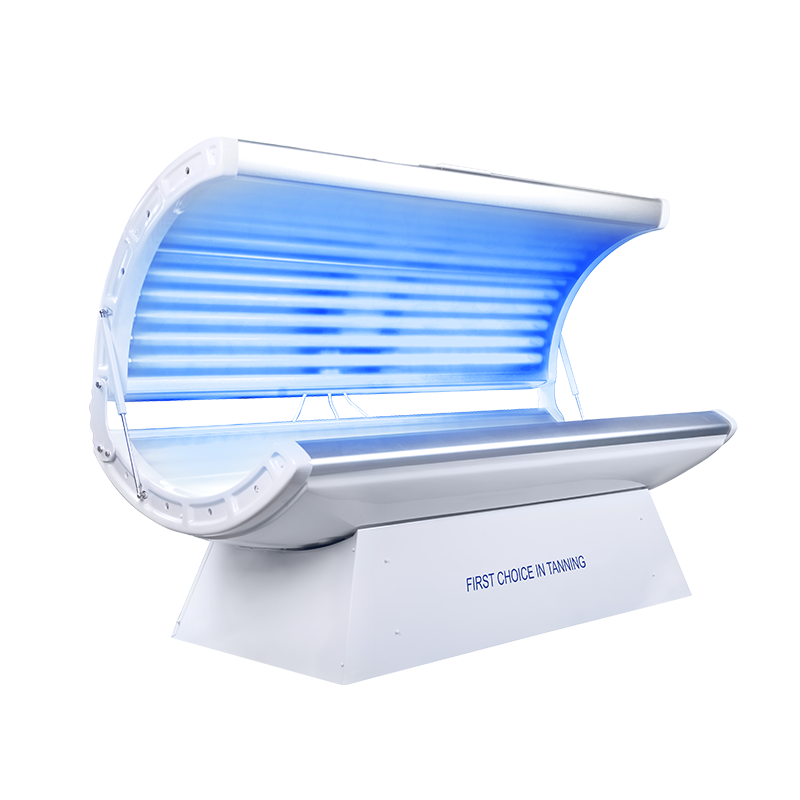
Choosing between vertical (stand-up) and horizontal (lay-down) tanning beds can be confusing, especially if you are new to indoor tanning. Both types of tanning beds use ultraviolet (UV) light to stimulate melanin production, but the design, experience, and results can differ in several important ways. Understanding these differences can help you make a more informed decision based on your needs.
Vertical tanning beds require users to stand inside a booth surrounded by UV lamps. Because there is no surface contact, UV light can reach more areas of the body evenly. This design helps minimize the risk of uneven tanning or pressure marks, which can sometimes occur in lay-down beds where the body presses against the acrylic surface.
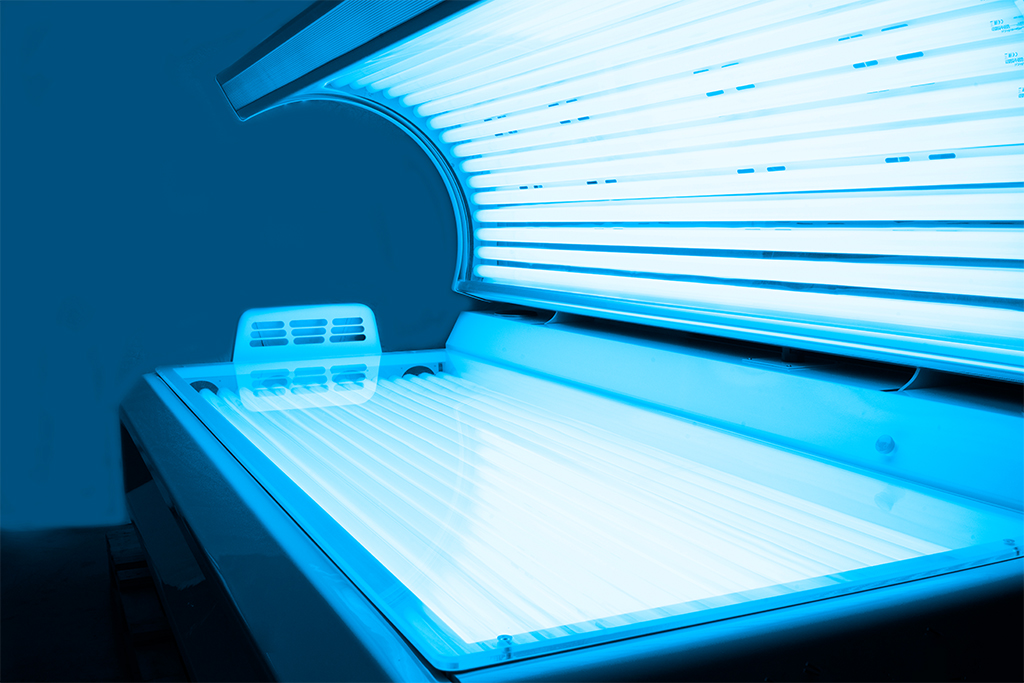
Horizontal tanning beds allow users to lie down during the session, offering a more comfortable and relaxing experience. This makes them a popular choice for people who prefer a spa-like environment or want to relax while tanning. However, because of body contact with the bed, certain areas like the back of the arms or sides of the body may receive slightly less exposure unless you reposition yourself.
One of the main advantages of stand-up tanning beds is efficiency. These beds often use higher-powered lamps, which means you can achieve noticeable results in shorter sessions. This makes them a good choice for people with busy schedules who want quick tanning sessions. Lay-down beds, while slightly less intense in some cases, provide a more gradual tanning experience, which may be preferred by beginners or those with sensitive skin.
Hygiene is another important consideration. Stand-up tanning booths are often seen as more hygienic because there is no direct skin contact with surfaces. This can be especially appealing in shared environments like salons. Lay-down beds rely on proper sanitation between sessions, which reputable salons usually maintain, but personal preference still plays a role.
When it comes to tanning effectiveness, both types of beds can produce excellent results. The key difference lies in how the UV light is distributed. Stand-up beds provide more uniform exposure, while lay-down beds may require slight adjustments in body position to ensure even tanning.
Skin type is also an important factor when choosing between the two. People with sensitive or fair skin may prefer lay-down beds because they can start with lower-intensity sessions and gradually increase exposure. More experienced users may prefer stand-up beds for their efficiency and stronger output.
Some tanning experts recommend alternating between stand-up and lay-down beds to achieve the most balanced results. This approach helps ensure that all areas of the body receive even exposure over time.
In addition to choosing the right type of tanning bed, proper skin care is essential. Keeping your skin moisturized, using indoor tanning lotions, and following recommended session times will help improve your results and reduce the risk of dryness or irritation.
In summary, stand-up tanning beds offer faster sessions, better hygiene, and more even coverage, while lay-down tanning beds provide comfort and a more relaxing experience. The best choice depends on your personal preferences, skin type, and tanning goals.