
Red light therapy has become increasingly popular in medical, wellness, and recovery settings. From skin rejuvenation to pain relief, many people ask the same question: what is red light therapy good for? Supported by a growing body of scientific research, red light therapy—also known as photobiomodulation—offers a wide range of potential benefits when used correctly.
How Red Light Therapy Works
Red light therapy uses specific wavelengths of red and near-infrared light, typically between 630–660 nm and 810–880 nm. These wavelengths penetrate the skin and are absorbed by the mitochondria inside cells.
Research suggests this process may:
-
Increase ATP (cellular energy) production
-
Improve cellular repair and regeneration
-
Reduce oxidative stress
-
Support healthy blood circulation
By enhancing cellular function, red light therapy helps the body heal and recover more efficiently.
What Is Red Light Therapy Good For?
Based on current research and clinical use, red light therapy is commonly used to support the following areas:
1. Skin Health and Rejuvenation
Red light therapy is widely used in dermatology and aesthetic medicine. It may help:
-
Stimulate collagen and elastin production
-
Improve skin tone and texture
-
Reduce fine lines and wrinkles
-
Support acne and inflammation-prone skin
Because red light works at the skin level, it is especially effective for visible skin improvements.
2. Pain Relief and Inflammation Reduction
Red light therapy is good for managing both acute and chronic inflammation. Studies indicate it may:
-
Reduce joint and muscle pain
-
Alleviate stiffness and swelling
-
Support arthritis and tendon-related discomfort
This makes it a popular option in physical therapy and pain management settings.
3. Muscle Recovery and Injury Healing
Athletes and rehabilitation clinics often use red light therapy to support recovery. Research suggests it may:
-
Speed up muscle recovery after exercise
-
Reduce delayed-onset muscle soreness (DOMS)
-
Support soft tissue and injury healing
Near-infrared light, in particular, penetrates deeper into muscles and joints.
4. Circulation and Cellular Health
Red light therapy may help improve blood flow and oxygen delivery, which are essential for healing and overall wellness. Improved circulation supports:
-
Faster recovery
-
Reduced fatigue
-
Better tissue regeneration
5. Overall Wellness and Recovery Support
Many wellness centers use full-body red light therapy to support general health goals, including:
-
Stress reduction and relaxation
-
Sleep quality support
-
Post-exercise and daily recovery
While not a cure-all, red light therapy is often used as part of a comprehensive wellness routine.
What Does Research Say About Red Light Therapy?
Scientific studies on photobiomodulation have explored its effects on skin, pain, inflammation, and recovery. Results suggest that red light therapy can positively influence cellular signaling, inflammatory markers, and tissue repair processes.
Although outcomes vary depending on wavelength, dosage, and treatment consistency, the overall evidence supports red light therapy as a safe, non-invasive complementary therapy.
Is Red Light Therapy Safe?
Red light therapy is considered safe when used with properly designed equipment. Unlike UV light, red and near-infrared wavelengths do not damage DNA or skin tissue.
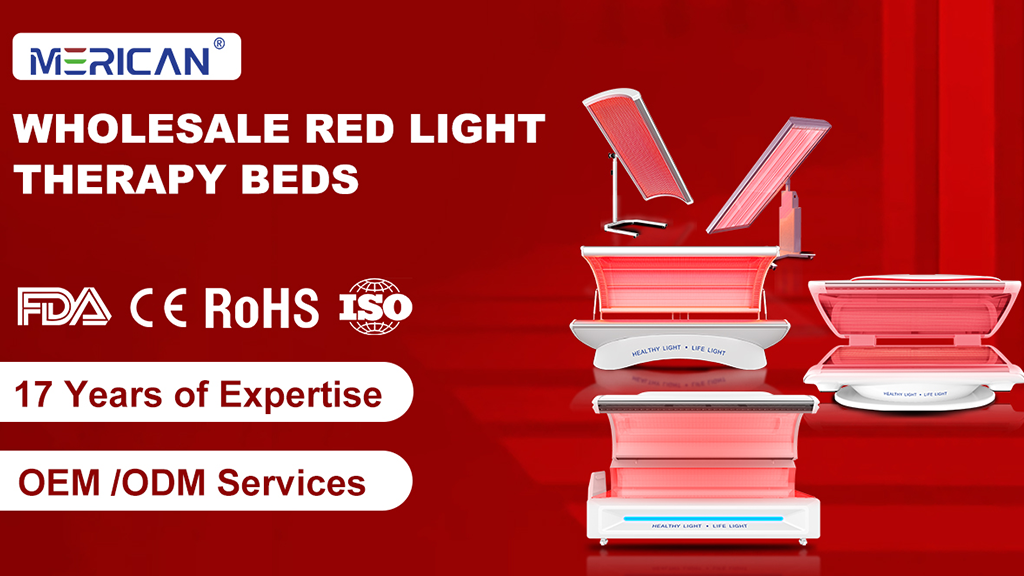
Professional-grade red light therapy beds are engineered to provide:
-
Accurate wavelength output
-
Controlled treatment intensity
-
Uniform full-body exposure
This makes them suitable for clinics, spas, and long-term wellness use.
Final Thoughts
So, what is red light therapy good for? In summary, red light therapy is widely used to support skin health, pain relief, inflammation reduction, injury recovery, and overall wellness.
As research continues to expand, red light therapy is becoming an essential tool in modern wellness and therapeutic environments—especially when delivered through high-quality, medical-grade systems.