Indoor tanning has become a global beauty and wellness trend, but many people are surprised to learn that tanning beds have been around for decades. The first modern tanning bed was developed in the 1970s, marking the beginning of the commercial indoor tanning industry.
The Origins of the First Tanning Bed
The earliest tanning beds were invented in Germany during the 1970s. German scientist and engineer Friedrich Wolff is widely credited with helping develop early UV tanning technology after researching the effects of ultraviolet light on the human body.
Originally, UV light devices were not designed purely for cosmetic tanning. Early ultraviolet lamps were commonly used for medical and therapeutic purposes, including light-based skin treatments and vitamin D research.
Over time, researchers discovered that controlled UV exposure could also darken the skin by stimulating melanin production, eventually leading to the development of commercial tanning beds.
How Early Tanning Beds Worked
The first tanning beds used fluorescent UV lamps that emitted ultraviolet radiation similar to natural sunlight. These early systems were much simpler than today’s commercial tanning equipment and often lacked the advanced cooling systems, ergonomic designs, and balanced lamp layouts found in modern machines.
Early tanning beds typically featured:
- Basic UV fluorescent tubes
- Limited cooling and ventilation
- Manual timers
- Lower tanning consistency compared with modern systems
Despite their simplicity, indoor tanning quickly gained popularity throughout Europe and later expanded into North America during the 1980s.
Why Indoor Tanning Became Popular
By the late 20th century, tanning had become associated with:
- Vacation lifestyles
- Fashion and beauty trends
- Bronzed skin appearance
- Year-round tanning convenience
Indoor tanning salons began opening worldwide, offering controlled tanning sessions regardless of weather or season.
The Evolution of Modern Tanning Beds
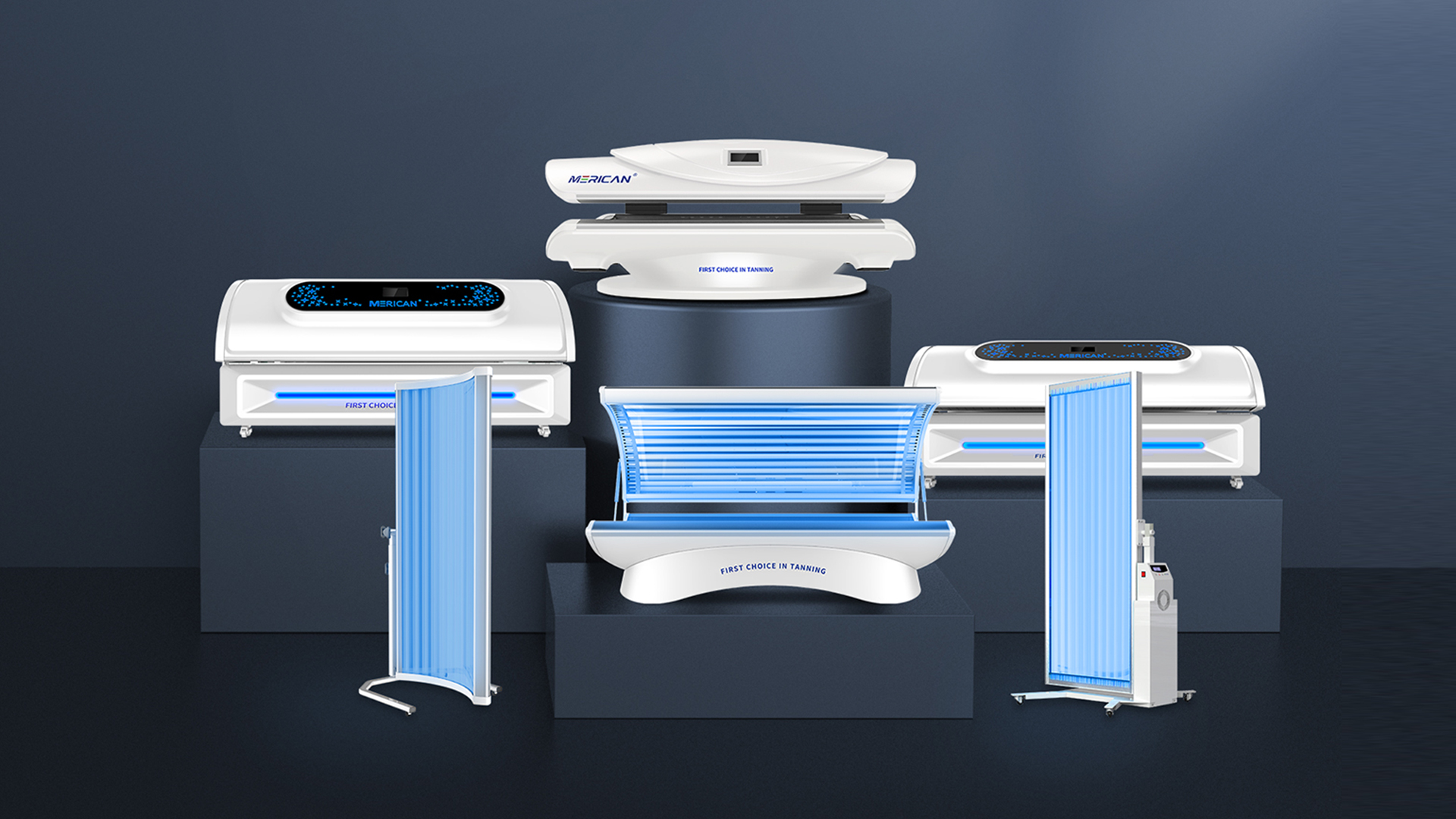
Today’s tanning beds are far more advanced than the original designs from the 1970s. Manufacturers now focus on:
- More even UV distribution
- Improved airflow and cooling
- Faster tanning efficiency
- Enhanced user comfort
- Smart control systems
- Stylish commercial salon designs
Modern stand-up tanning systems have become especially popular because they provide 360° exposure and improved tanning uniformity.
Stand-Up Tanning Beds in Today’s Market
Compared with older lay-down systems, stand-up tanning beds are often preferred in professional salons for their efficient performance and hygienic design. Vertical tanning systems allow users to move freely during sessions while minimizing direct body contact surfaces.
Many modern tanning manufacturers continue refining tanning technology to improve consistency, comfort, and salon aesthetics for commercial users worldwide.
Final Thoughts
The first tanning bed invented in the 1970s helped transform indoor tanning into a global industry. What began as experimental UV light technology eventually evolved into the sophisticated commercial tanning systems seen today. Modern tanning beds now combine advanced engineering, balanced UV exposure, and user-focused design to deliver a more efficient and comfortable tanning experience.