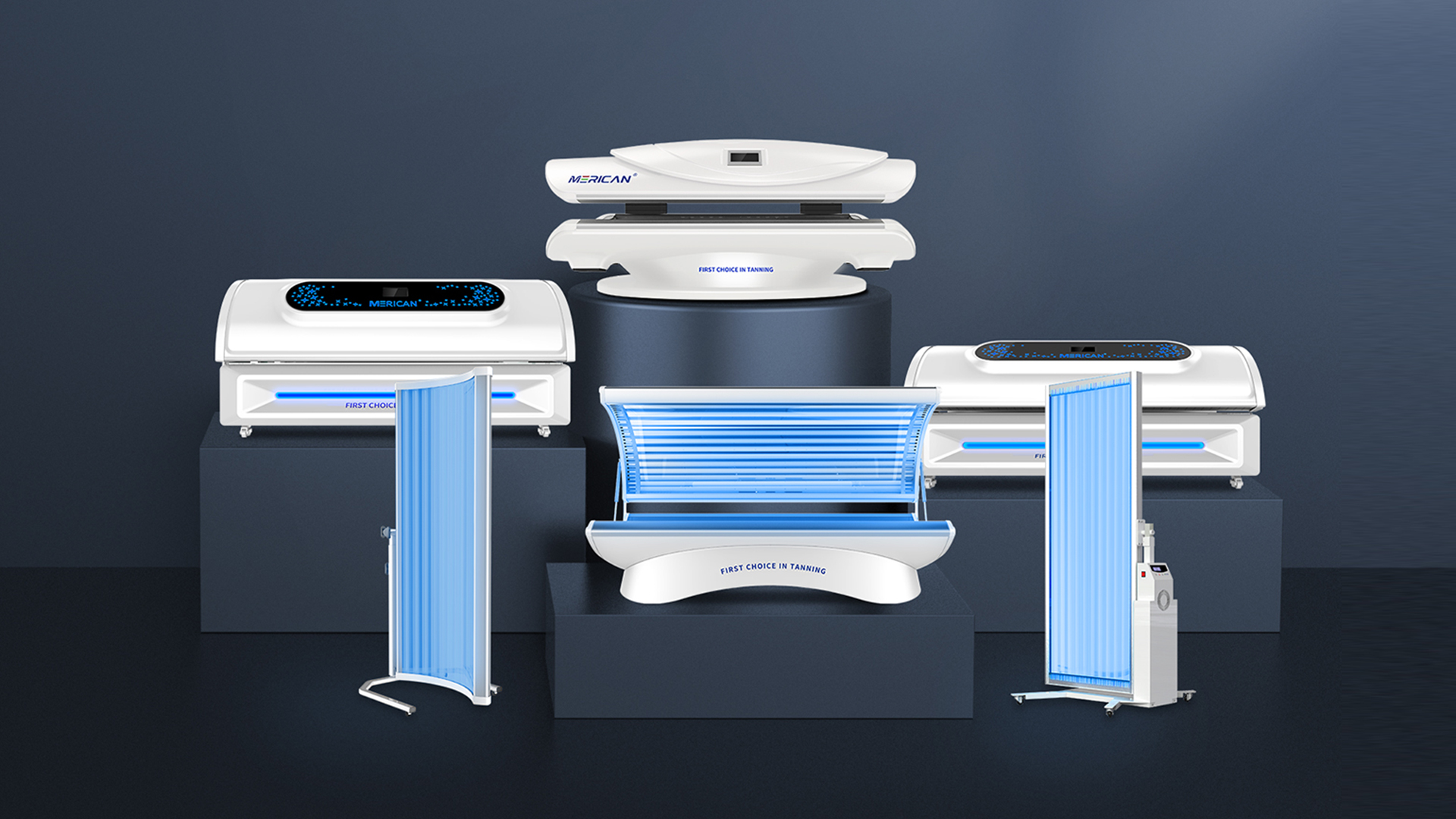
One of the most common questions in the tanning industry is: Which is safer — tanning beds or natural sunlight? Both indoor tanning and sun exposure involve ultraviolet (UV) radiation, but the tanning experience and exposure conditions can differ significantly.
Understanding these differences can help people make more informed tanning decisions and develop healthier tanning habits.
How UV Exposure Works
Both the sun and tanning beds emit ultraviolet radiation that stimulates melanin production in the skin, creating a darker appearance commonly known as a tan.
The two main forms of UV radiation involved in tanning are:
- UVA rays — primarily associated with skin darkening and tanning
- UVB rays — associated with sunburn and increased vitamin D production
Both natural sunlight and tanning beds expose the skin to varying levels of UVA and UVB radiation.
Natural Sunlight: Pros and Challenges
Outdoor tanning remains popular because it is easily accessible and often associated with vacations and leisure activities.
Advantages of Sun Tanning
- Natural outdoor experience
- No tanning equipment required
- Sunlight supports vitamin D production
Challenges of Sun Exposure
- UV intensity changes throughout the day
- Weather and seasonal conditions affect tanning consistency
- Harder to control exposure time
- Increased risk of overexposure during long sun sessions
Because sunlight intensity varies depending on location, climate, and time of day, outdoor tanning can sometimes be less predictable.
Tanning Beds: Controlled Indoor Tanning
Indoor tanning beds are designed to provide controlled UV exposure in a salon or indoor environment.
Advantages of Tanning Beds
- Consistent tanning sessions
- Controlled session timing
- Year-round tanning access
- Even full-body tanning coverage possible
Considerations
- UV exposure should still be managed carefully
- Following recommended tanning schedules is important
- Proper skincare and hydration help maintain skin comfort
Modern commercial tanning systems are designed to improve tanning consistency and user comfort through balanced lamp layouts and advanced cooling systems.
Is One Truly Safer Than the Other?
Neither tanning beds nor natural sunlight can be considered completely risk-free because both involve UV exposure. The key difference often lies in control and moderation.
Indoor tanning systems may provide:
- More predictable UV exposure
- Timed tanning sessions
- Controlled salon environments
Meanwhile, outdoor sun exposure can vary greatly depending on weather conditions, geography, and time spent outdoors.
In both cases, excessive UV exposure may increase the likelihood of premature skin aging and skin damage over time.
Tips for More Responsible Tanning
Whether tanning indoors or outdoors, many people follow these practices to help reduce unnecessary overexposure:
- Avoid excessively long tanning sessions
- Stay hydrated
- Moisturize skin regularly
- Gradually build tanning intensity
- Use eye protection when appropriate
- Allow recovery time between tanning sessions
Moderation is generally considered one of the most important factors in maintaining healthier tanning habits.
Final Thoughts
The debate between tanning beds and natural sunlight continues because both methods involve UV exposure. Outdoor tanning offers a natural environment, while indoor tanning provides more controlled and predictable tanning sessions.
Rather than focusing only on which option is “safer,” many experts emphasize the importance of moderation, proper skincare, and responsible tanning practices regardless of the tanning method chosen.