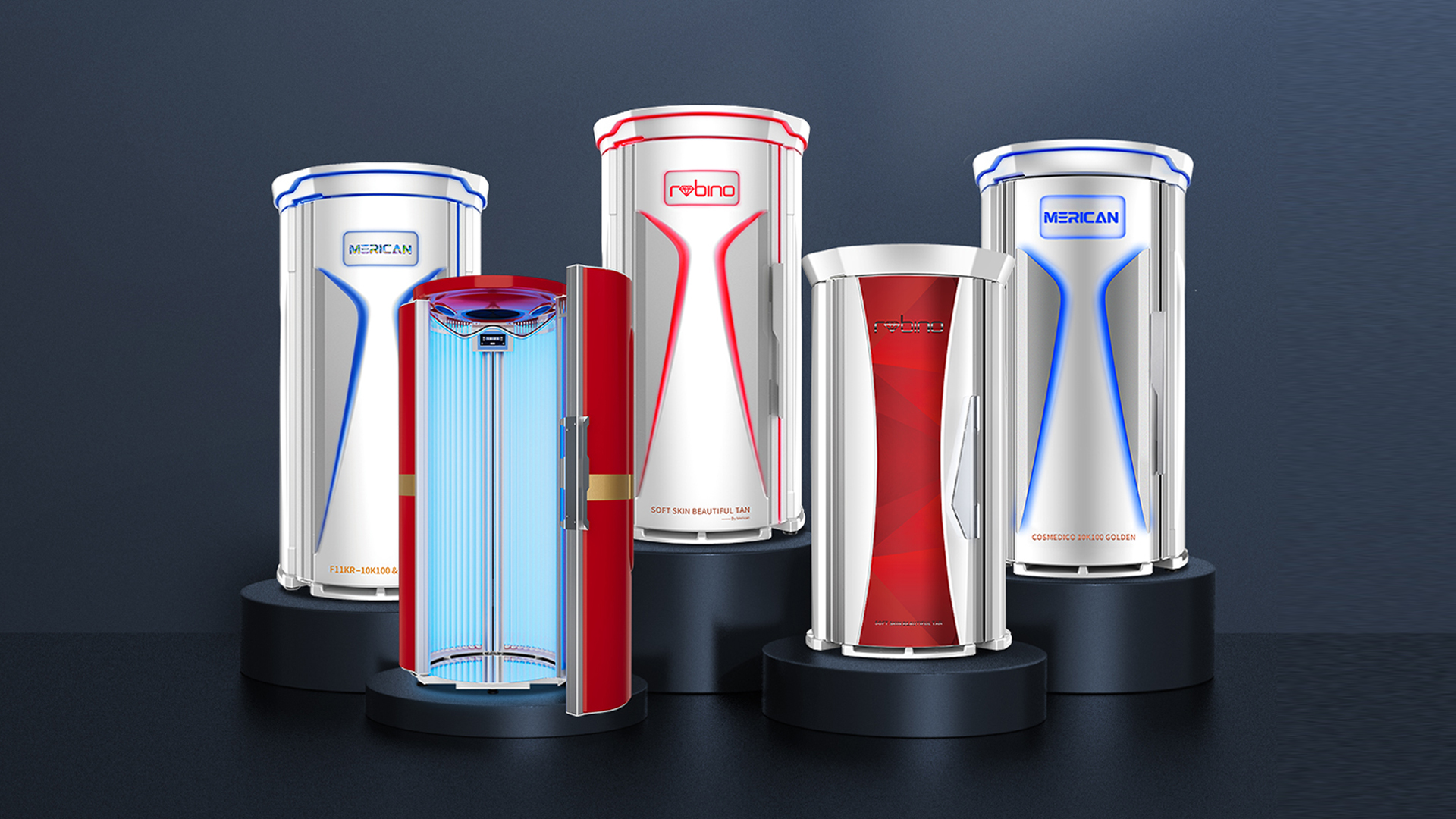
Many people assume that tanning outdoors is automatically safer than using a tanning bed, while others believe indoor tanning offers better control over UV exposure. In reality, both tanning methods involve ultraviolet radiation and should be approached responsibly.
Understanding how indoor and outdoor tanning differ can help users make informed decisions based on their tanning goals and skin type.
The Difference Between Indoor and Outdoor Tanning
Outdoor Sun Tanning
Natural sunlight contains a mixture of UVA and UVB radiation that changes throughout the day depending on:
- Weather conditions
- Geographic location
- Season
- Time of day
Because sunlight intensity fluctuates, outdoor tanning sessions can sometimes be difficult to regulate.
Indoor Tanning Beds
Tanning beds use specialized UV lamps designed to create consistent tanning conditions. Indoor tanning systems allow salons and users to manage:
- Session duration
- UV intensity levels
- Tanning frequency
- Environmental comfort
This controlled environment is one reason indoor tanning remains popular year-round.
Why Some People Prefer Tanning Beds
Many indoor tanning users prefer tanning beds because they provide:
- Predictable tanning sessions
- Faster and more even tanning coverage
- Convenient indoor tanning access
- Weather-independent tanning
Modern stand-up tanning systems and commercial tanning beds are also designed with improved airflow, balanced lamp layouts, and ergonomic salon designs.
Why Others Prefer Natural Sunlight
Outdoor tanning continues to appeal to people who enjoy:
- Fresh air and outdoor environments
- Beach or vacation lifestyles
- Natural sunlight exposure
- Open-space relaxation
Some people also associate sun tanning with a more casual and traditional tanning experience.
Important Skin Considerations
Both tanning beds and sunlight expose the skin to UV radiation. Excessive exposure from either source may contribute to:
- Premature skin aging
- Skin dryness
- Uneven skin texture
- Increased sensitivity over time
This is why moderation and responsible tanning habits are important regardless of tanning method.
How to Tan More Responsibly
People who choose to tan often focus on:
- Gradual tanning schedules
- Avoiding overexposure
- Keeping skin moisturized
- Staying hydrated
- Monitoring skin sensitivity
- Allowing proper recovery time between sessions
Consistent skincare routines can also help maintain smoother and more even tanning results.
Which Option Is Better?
The “better” option depends on individual preferences and lifestyle needs.
Sun Tanning May Be Better For:
- Outdoor enthusiasts
- Casual tanning sessions
- Vacation tanning experiences
Tanning Beds May Be Better For:
- Controlled tanning schedules
- Consistent tanning maintenance
- Year-round tanning convenience
- More predictable tanning conditions
Final Thoughts
Tanning beds and natural sunlight both involve UV exposure, so neither option is entirely without risk. Indoor tanning offers greater session control and consistency, while outdoor tanning provides a natural environment influenced by changing sunlight conditions.
For either tanning method, moderation, proper skincare, and responsible tanning habits remain essential for maintaining healthier-looking skin over time.