Red light therapy is rapidly becoming a popular wellness technology around the world. Used in spas, gyms, beauty clinics, recovery studios, and wellness centers, red and near-infrared light therapy are commonly associated with skin support, relaxation, circulation improvement, and muscle recovery. One treatment area attracting increasing attention is the chest.
The chest area is exposed to daily movement, environmental stress, exercise, and posture-related tension. Because of this, many people are now exploring red light therapy on the chest as part of broader recovery and self-care routines.
Red light therapy uses specific wavelengths of light, most commonly 660nm red light and 850nm near-infrared light. Unlike tanning technologies, red light therapy does not involve ultraviolet radiation. Instead, it is widely used for wellness and recovery-focused applications.
One of the most commonly discussed benefits of red light therapy on the chest is skin wellness support. The chest area is frequently exposed to sunlight, dry air, and aging-related changes. Over time, skin texture and elasticity may gradually change due to environmental exposure and reduced collagen production.
Red light therapy is commonly associated with collagen support and skin rejuvenation. Many beauty and wellness facilities use red light systems to help improve skin appearance and promote smoother-looking skin. Because the chest is a visible area, many individuals include chest-focused red light therapy sessions as part of anti-aging and skincare routines.
Circulation support is another reason for growing interest in chest treatments. Healthy circulation is important for tissue wellness and recovery. Red and near-infrared wavelengths are commonly associated with supporting blood flow and oxygen delivery throughout the body. Improved circulation may help users feel more relaxed and comfortable after physical activity or long workdays.
Muscle comfort is another major factor. The chest muscles work closely with the shoulders, back, and arms during everyday movement and exercise. Fitness activities such as weightlifting, swimming, boxing, or sports training can place stress on the upper body. Some athletes and active individuals use red light therapy sessions after workouts to support muscle recovery and relaxation.
Near-infrared wavelengths are especially popular because they may penetrate deeper into tissues. Combined with visible red light, they are widely used in modern full-body wellness systems. Many users report that regular sessions help create a soothing and calming experience.
Another reason why red light therapy is growing in popularity is its non-invasive nature. Sessions are generally comfortable and require little downtime, making them easy to incorporate into modern wellness routines. Some people use red light therapy in the morning before exercise, while others prefer evening sessions for relaxation.
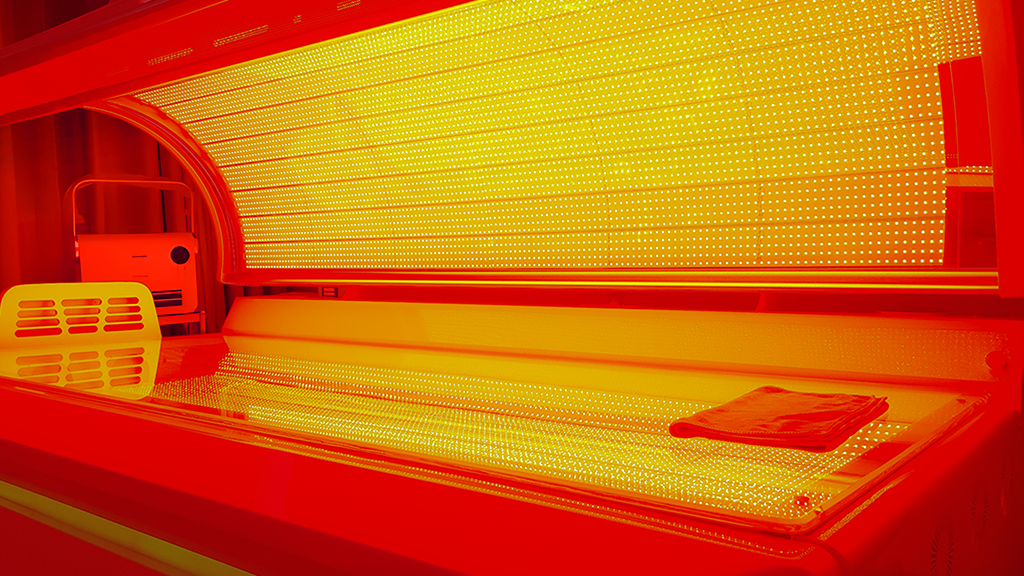
Professional full-body systems are increasingly preferred because they allow more efficient treatment coverage. Instead of holding a small handheld device over the chest area, users can relax in full-body wellness systems that deliver even light exposure across larger treatment areas.
Global red light therapy bed suppliers and manufacturers continue investing in advanced technology to improve comfort, performance, and treatment consistency. Modern systems often feature ergonomic designs, intelligent cooling systems, and optimized wavelength combinations for full-body wellness support.
Many wellness businesses are now integrating full-body red light therapy into recovery programs because users appreciate the relaxing and premium treatment experience. Full-body systems can simultaneously target the chest, shoulders, arms, back, and core, making sessions more convenient and efficient.
Consistency is an important part of any wellness routine. While some users experience temporary relaxation immediately after sessions, long-term wellness support is more commonly associated with regular use over time. Combining red light therapy with healthy habits such as exercise, hydration, stretching, and proper sleep may help improve overall wellness results.
It is important to maintain realistic expectations and understand that red light therapy is not a replacement for medical treatment. Individuals experiencing severe chest discomfort or health concerns should always seek advice from healthcare professionals.
As the wellness and recovery industry continues expanding globally, red light therapy remains one of the most popular non-invasive wellness solutions available today. Whether used for skin support, circulation improvement, muscle recovery, or relaxation, chest-focused red light therapy sessions are becoming an increasingly common part of modern self-care and recovery lifestyles.