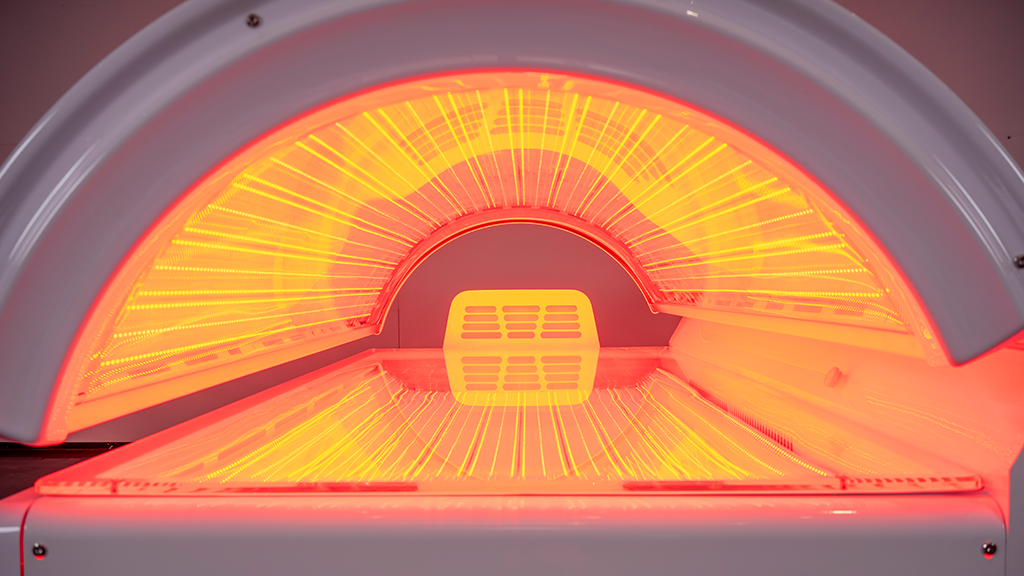
Red light therapy has become one of the fastest-growing beauty and wellness trends worldwide. Used in spas, skincare clinics, wellness centers, and home beauty routines, red and near-infrared light therapy are commonly associated with skin rejuvenation, relaxation, and anti-aging support. One of the most common questions people ask before starting treatment is how long red light therapy should be used on the face.
Facial red light therapy is popular because it is generally non-invasive and comfortable. Unlike harsh cosmetic procedures that may involve downtime or skin peeling, red light therapy sessions are usually gentle and relaxing. This makes it appealing for people seeking long-term skincare support without aggressive treatments.
Red light therapy works by delivering specific wavelengths of visible red light and near-infrared light to the skin. Red wavelengths such as 660nm are commonly associated with collagen support and skin renewal. Near-infrared wavelengths such as 850nm are often included in professional systems because they may penetrate deeper beneath the skin surface.
Most facial red light therapy sessions typically last between 10 and 20 minutes. However, the ideal treatment time depends on the device type, treatment intensity, and personal skincare goals.
Professional-grade systems may require shorter sessions because they often provide stronger and more consistent light output. Smaller at-home devices with lower energy levels may require more frequent or slightly longer treatments to achieve similar wellness-focused routines.
Many skincare professionals recommend consistency instead of excessively long treatments. Using red light therapy several times per week over a long period is commonly viewed as more beneficial than occasional extended sessions.
For beginners, shorter sessions are usually recommended at first. This allows the skin to adjust gradually and helps users monitor how their skin responds to light exposure. Individuals with sensitive or dry skin may especially benefit from starting slowly.
Facial red light therapy is often used for:
- Skin rejuvenation
- Fine line support
- Uneven skin tone
- Dry skin routines
- Acne mark appearance
- Relaxation and wellness support
Many people include red light therapy as part of nighttime skincare routines because sessions are generally calming and relaxing. Others prefer morning treatments to help the skin appear refreshed before starting the day.
Hydration and skincare habits also play an important role. Many users apply moisturizers after treatments to help support the skin barrier and maintain hydration. Daily sunscreen use is also important because environmental exposure can affect long-term skin appearance.
Another reason facial red light therapy continues growing in popularity is convenience. Sessions are generally quick and easy to fit into busy schedules. Many modern wellness devices are designed for comfortable and efficient treatment experiences.
Professional beauty clinics increasingly use advanced full-body and facial light therapy systems because they provide stable wavelength output and even treatment coverage. Modern systems often include cooling technology and ergonomic designs that improve overall comfort during sessions.
Patience is another important factor. Red light therapy is usually associated with gradual skin wellness support rather than immediate dramatic changes. Some people notice temporary skin brightness or relaxation after sessions, while more visible skin texture improvements often develop with regular long-term use.
It is also important to avoid overuse. Longer sessions do not necessarily produce faster or better results. Excessive exposure may increase temporary dryness or sensitivity for some individuals. Balanced treatment schedules are generally preferred in skincare-focused wellness routines.
People with severe skin conditions or ongoing dermatological concerns should consult healthcare or skincare professionals before beginning treatment routines.
Another benefit of red light therapy is that it can easily combine with broader wellness habits such as hydration, balanced nutrition, healthy sleep, and stress management. Many individuals view light therapy as part of a complete self-care lifestyle.
As awareness of non-invasive skincare technologies continues growing worldwide, facial red light therapy remains one of the most popular beauty and wellness treatments available today. Whether used for anti-aging support, skin texture improvement, or general relaxation, facial red light therapy is becoming an increasingly common part of modern skincare routines.
For most users, moderate treatment times combined with regular use and healthy skincare habits may provide the best long-term wellness and beauty support.