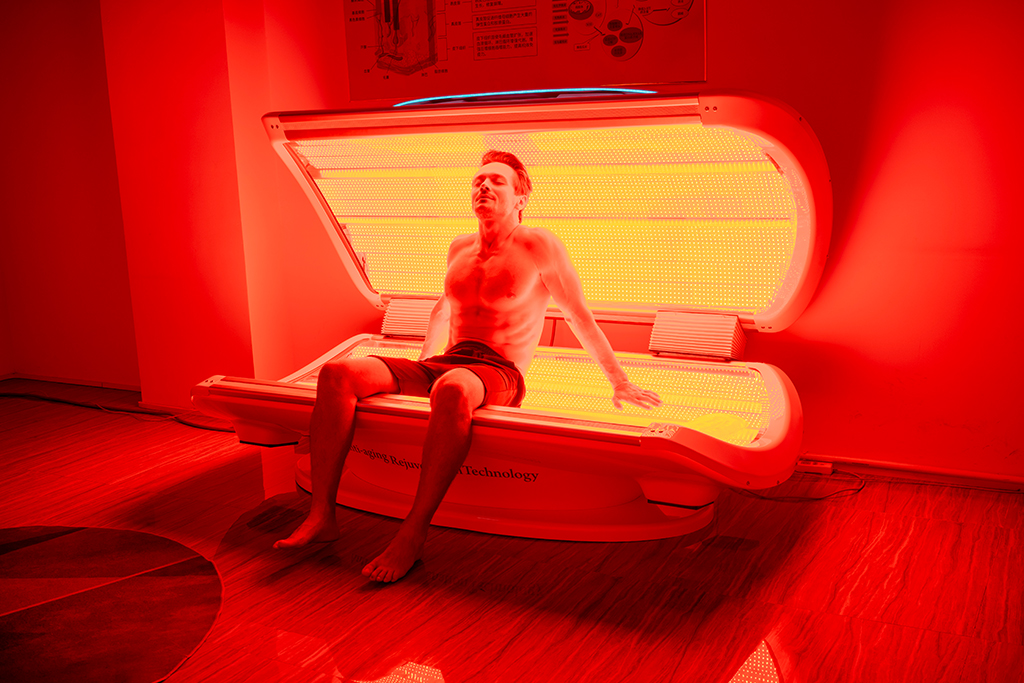
Dry skin can affect both comfort and confidence. Flaky texture, tightness, rough patches, and dull appearance are common concerns for people dealing with dehydrated or aging skin. As non-invasive beauty technologies continue growing in popularity, red light therapy has become a widely discussed option for supporting healthier-looking skin and improving overall skin wellness.
Red light therapy is commonly used in beauty salons, spas, skincare clinics, and wellness centers worldwide. The treatment uses specific wavelengths of red and near-infrared light to support natural biological processes within the skin. Unlike ultraviolet tanning technologies, red light therapy does not use UV radiation. Instead, it is widely associated with skin rejuvenation, relaxation, circulation support, and anti-aging care.
One major reason people explore red light therapy for dry skin is its connection to collagen support. Collagen helps maintain skin firmness, elasticity, and smooth texture. As collagen production naturally decreases with age, the skin may become thinner, rougher, and more prone to dryness.
Red light wavelengths such as 660nm are commonly associated with supporting collagen production and skin renewal. Many users believe that regular red light therapy sessions help improve skin softness and overall appearance over time.
Near-infrared wavelengths such as 850nm are also widely used in professional wellness systems because they may penetrate deeper beneath the surface of the skin. Combined with visible red light, these wavelengths are frequently included in modern skincare and wellness routines.
Another important factor for dry skin is circulation. Healthy circulation helps transport oxygen and nutrients throughout the skin, supporting natural recovery and renewal processes. Red and near-infrared light are commonly associated with promoting blood flow, which may contribute to healthier-looking skin.
Environmental exposure is another common cause of dry skin. Cold weather, air conditioning, pollution, and excessive sun exposure may all affect the skin’s natural moisture barrier. Many people seek gentle skincare options that support long-term skin wellness without irritating already sensitive skin.
Red light therapy sessions are generally comfortable and non-invasive, making them suitable for people who prefer calming skincare experiences. Unlike stronger cosmetic treatments that may involve peeling or redness, red light therapy is often viewed as a gentler wellness-based approach.
Some individuals also include red light therapy in anti-aging routines because dry skin is often associated with visible signs of aging. Fine lines, uneven texture, and dullness may become more noticeable when the skin lacks moisture. Many beauty professionals combine red light therapy with hydration-focused skincare programs to support healthier-looking skin.
Professional-grade red light therapy systems are increasingly used in skincare facilities because they provide stable wavelength output and even treatment coverage. Full-body systems and facial panels are commonly integrated into modern wellness and beauty environments.
Consistency is one of the most important parts of any skincare routine. While some users notice temporary softness or relaxation after sessions, gradual improvements are more commonly associated with regular treatments over time.
Healthy lifestyle habits may also support overall skin wellness. Proper hydration, balanced nutrition, quality sleep, and daily sunscreen use are all important for maintaining healthy skin. Many people combine these habits with red light therapy to create broader wellness-focused skincare routines.
It is important to understand that red light therapy is not intended to replace professional dermatological care for severe skin conditions. Individuals with persistent irritation, eczema, infections, or unusual skin reactions should seek professional medical advice.
Another reason red light therapy continues growing in popularity is convenience. Sessions typically require little downtime and can easily fit into busy schedules. Many users appreciate the relaxing and spa-like experience associated with professional red light therapy treatments.
Modern red light therapy technology continues evolving with improved LED systems, ergonomic treatment designs, and intelligent cooling structures that help create more comfortable user experiences.
As global interest in wellness and non-invasive skincare grows, red light therapy remains one of the most popular technologies for skin support and relaxation. Whether used for dry skin, anti-aging routines, or overall skin wellness, red light therapy is becoming an increasingly common part of modern beauty lifestyles.
For people looking for a gentle and wellness-focused approach to dry skin support, red light therapy may offer a relaxing addition to consistent skincare and hydration routines.