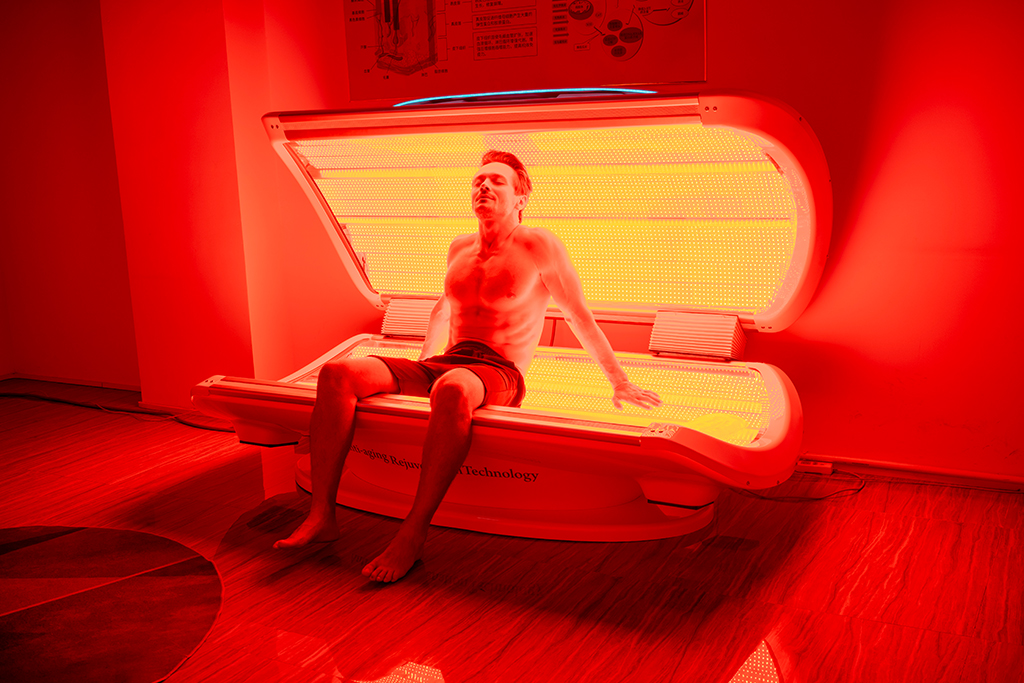
Modern lifestyles place enormous pressure on the eyes. From smartphones and laptops to artificial lighting and long work hours, daily screen exposure has become unavoidable for millions of people worldwide. As a result, eye fatigue and visual discomfort are becoming increasingly common concerns. Because of this, more individuals are now exploring wellness technologies such as red light therapy to support eye comfort and overall visual wellness.
Red light therapy is widely used in wellness centers, spas, recovery studios, and beauty clinics for relaxation and recovery-focused applications. The therapy uses specific wavelengths of red and near-infrared light to support natural biological processes in the body. Unlike ultraviolet light used in tanning technologies, red light therapy does not rely on UV exposure.
One major reason people are interested in red light therapy for eyesight is because the eyes require significant cellular energy to function properly. The retina is highly active and depends heavily on healthy mitochondrial activity. Mitochondria help produce ATP energy needed for cellular performance, and some researchers believe red light wavelengths may support this natural energy process.
Digital eye strain has become one of the most common visual wellness concerns today. Spending long hours focusing on screens may lead to tired eyes, dryness, blurred vision, headaches, and discomfort. Many people now seek non-invasive wellness solutions to support relaxation after intense screen exposure.
Red light therapy sessions are often described as calming and relaxing. Some individuals incorporate wellness-focused light therapy routines into daily self-care habits, especially after work or evening screen use. Because stress and fatigue may contribute to visual discomfort, relaxation itself can play an important role in overall eye comfort.
Another commonly discussed benefit is circulation support. Healthy blood flow helps deliver oxygen and nutrients throughout the body, including tissues associated with vision and eye function. Red and near-infrared wavelengths are commonly associated with supporting circulation and natural cellular activity.
Some wellness professionals are also interested in the role of light exposure in healthy aging support. As people age, mitochondrial efficiency and cellular energy production naturally decline. Because of this, red light therapy continues attracting attention as part of broader wellness and anti-aging discussions.
Near-infrared wavelengths such as 850nm are especially popular in modern wellness systems because they may penetrate deeper into tissues. Combined with visible red wavelengths such as 660nm, they are commonly included in professional light therapy systems used worldwide.
People also appreciate that red light therapy is generally non-invasive and easy to integrate into daily lifestyles. Sessions are typically comfortable and require little downtime, making them suitable for busy schedules focused on wellness and recovery.
At the same time, proper eye safety is essential. Individuals should avoid directly staring into powerful LED light sources without professional guidance. Many professional wellness facilities use controlled systems and recommend protective eyewear during treatments.
It is also important to maintain realistic expectations. Red light therapy is not intended to replace medical eye treatment or cure vision disorders. Anyone experiencing persistent vision changes, severe eye pain, or eye disease symptoms should consult an eye care professional immediately.
Instead, many individuals use red light therapy as part of broader wellness routines focused on relaxation, recovery, and self-care. Healthy habits such as reducing screen strain, taking regular breaks, maintaining proper sleep, staying hydrated, and eating nutrient-rich foods remain extremely important for long-term visual wellness.
Another reason red light therapy continues growing in popularity is convenience. Sessions are generally relaxing and easy to combine with other wellness practices such as meditation, stretching, recovery routines, and stress management.
Professional wellness centers increasingly include full-body and targeted red light therapy systems because users appreciate the comfortable and calming treatment environment. Many people report that consistent sessions help them feel physically and mentally refreshed.
Consistency is one of the key factors in wellness-focused light therapy routines. Gradual improvements in comfort and relaxation are more commonly associated with regular long-term use rather than short-term sessions.
As awareness of non-invasive wellness technology continues expanding globally, red light therapy remains one of the most talked-about recovery and self-care trends. Whether used for relaxation, eye comfort, or general wellness support, red light therapy is becoming an increasingly common part of modern healthy lifestyle routines.
For people dealing with daily eye strain and screen-related fatigue, red light therapy may offer a relaxing and wellness-focused addition to overall eye care habits when used carefully and responsibly.