
While tanning beds are designed to help users achieve a bronzed appearance, excessive UV exposure can sometimes lead to severe sunburn-like reactions commonly referred to as “sun poisoning.” Although not an official medical diagnosis, sun poisoning describes an intense inflammatory response to ultraviolet (UV) radiation.
Understanding the symptoms and proper recovery methods can help minimize discomfort and support skin healing.
What Is Sun Poisoning from a Tanning Bed?
Sun poisoning occurs when the skin receives more UV exposure than it can tolerate. Symptoms may include:
- Severe redness
- Swelling
- Pain or burning sensation
- Blistering
- Itching
- Headaches
- Nausea
- Dehydration
- Fatigue
These symptoms can develop several hours after a tanning session and may worsen over the next 24–48 hours.
Immediate Steps to Relieve Sun Poisoning
1. Stop UV Exposure Immediately
Avoid further tanning sessions until your skin has completely healed. Additional UV exposure may worsen inflammation and delay recovery.
2. Cool the Skin
Applying cool compresses or taking a cool shower may help reduce discomfort and skin temperature.
Avoid extremely cold ice packs directly on the skin, as they may increase irritation.
3. Increase Hydration
Sun poisoning can contribute to fluid loss through inflamed skin.
Helpful options include:
- Water
- Electrolyte drinks
- Hydrating foods such as fruits and vegetables
Proper hydration supports overall recovery.
4. Apply Soothing Moisturizers
Fragrance-free moisturizers containing aloe vera or other soothing ingredients may help relieve dryness and discomfort.
5. Avoid Picking or Peeling Skin
As the skin heals, peeling may occur naturally. Avoid removing peeling skin manually to reduce irritation and support proper healing.
When to Seek Medical Attention
Consult a healthcare professional if symptoms include:
- Extensive blistering
- Severe swelling
- Fever
- Persistent nausea
- Dizziness
- Signs of infection
Prompt medical evaluation may be necessary in severe cases.
Preventing Future Tanning Bed Burns
Prevention is the most effective strategy.
Recommendations include:
- Start with shorter tanning sessions
- Understand your skin type
- Allow recovery time between sessions
- Follow manufacturer guidelines
- Avoid tanning while taking photosensitizing medications
Professional Equipment Matters
The quality of tanning equipment can influence tanning consistency and user comfort.
Merican Stand Up Tanning Bed F11 KR
The Merican Stand Up Tanning Bed F11 KR combines UV tanning technology with red light technology to create a more advanced tanning experience.
Key features include:
- Stand-up 360° tanning coverage
- UV + Red Light combination technology
- Comfortable ventilation system
- Efficient commercial operation
- Spacious cabin design
The integrated red light system may help support overall skin wellness while enhancing the tanning experience.
Why Choose Merican?
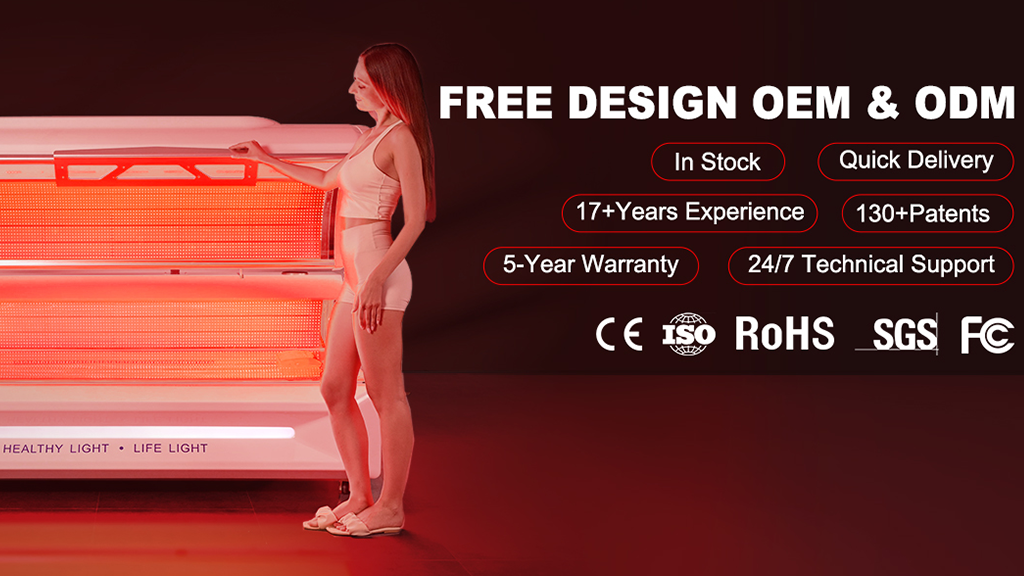
Merican is a professional manufacturer specializing in tanning and light therapy equipment.
Company advantages include:
- Over 18 years of industry experience
- Dedicated R&D and technical teams
- Multiple patented technologies
- International certifications
- OEM & ODM customization services
- Global customer support network
Conclusion
Sun poisoning from a tanning bed can be uncomfortable, but proper care and recovery strategies can help reduce symptoms and support healing. The best approach is always prevention through responsible tanning practices and professional-grade equipment.