
Light therapy has become one of the most popular non-invasive technologies in wellness, skincare, and recovery industries. Among the most widely used options are red light therapy and near-infrared (NIR) light therapy. While these two treatments are often mentioned together, many people are still confused about the differences between them and which one is more effective.
Understanding Red Light Therapy
Red light therapy typically uses wavelengths between 630nm and 660nm. These wavelengths are visible to the human eye and are primarily absorbed by the skin. Red light therapy is widely used for skin-related benefits because it stimulates collagen production, improves skin tone, and helps reduce fine lines and wrinkles.
In addition, red light therapy can help reduce inflammation and promote wound healing, making it popular in both medical aesthetics and wellness centers.
Understanding Near-Infrared Light Therapy
Near-infrared light therapy uses wavelengths typically between 810nm and 850nm. Unlike red light, near-infrared light is invisible and penetrates much deeper into the body. It can reach muscles, joints, and connective tissues, which makes it highly effective for pain relief, muscle recovery, and inflammation reduction.
This deeper penetration is the main difference between red light and near-infrared light therapy. While red light works more on the surface (skin), near-infrared works deeper inside the body (muscles and joints).
Red Light vs Near-Infrared: Key Differences
| Feature | Red Light Therapy | Near-Infrared Therapy |
|---|---|---|
| Wavelength | 630–660nm | 810–850nm |
| Visible | Yes | No |
| Penetration | Skin level | Deep tissue |
| Main Use | Skin rejuvenation | Pain relief & recovery |
| Collagen Production | High | Moderate |
| Muscle Recovery | Moderate | High |
Why Combining Red and NIR Light Works Best
Many advanced devices today combine both red light and near-infrared light because they complement each other. Red light improves skin health and surface tissue, while near-infrared supports deeper tissue repair and recovery.
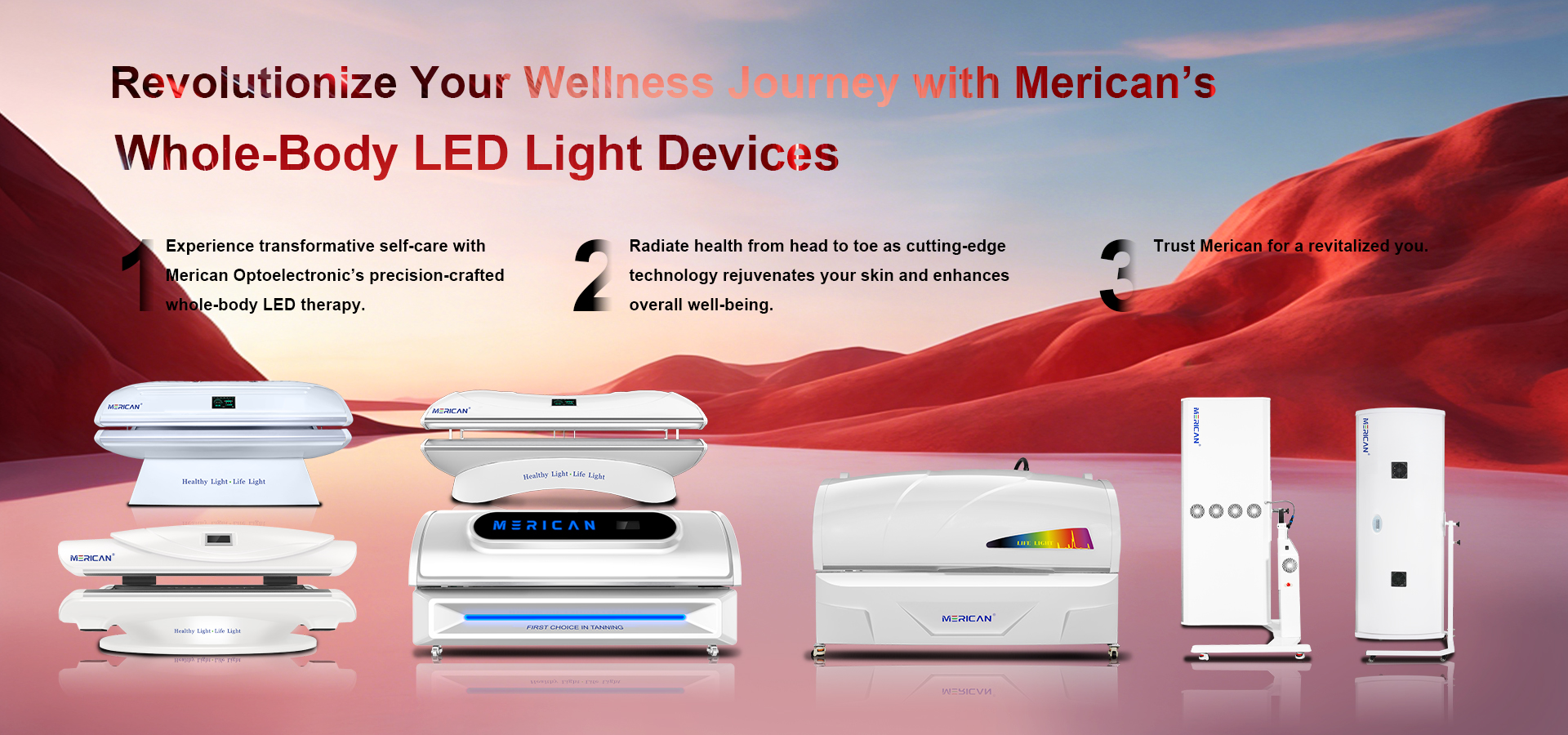
This combination approach is widely used in professional full-body systems such as the Merican Red Light Therapy Bed series, which integrates clinically proven red and near-infrared wavelengths to deliver both skin and deep tissue benefits in one session.
Full-body light therapy beds are particularly effective because they provide even energy distribution across the entire body, improving treatment efficiency compared to small handheld devices.
Benefits of Full-Body Red + NIR Light Therapy
When red light and near-infrared light are used together in a full-body system, users may experience:
- Improved skin texture and elasticity
- Reduced muscle soreness after exercise
- Relief from joint pain and stiffness
- Better circulation
- Faster recovery from physical activity
- Overall wellness and relaxation
The Merican Red Light Therapy Bed series is designed for wellness centers, rehabilitation facilities, aesthetic clinics, and high-end gyms. With high-output LEDs, full-body coverage, and optimized wavelength combinations, it provides professional-grade photobiomodulation therapy in a comfortable and efficient way.
Which One Should You Choose?
If your main goal is skin rejuvenation and anti-aging, red light therapy may be sufficient. However, if you are looking for muscle recovery, pain relief, and deeper tissue treatment, near-infrared therapy is more suitable.
For the best overall results, most professionals recommend using a combination of both red light and near-infrared light, especially through full-body systems.
Conclusion
Red light therapy and near-infrared light therapy are not competitors—they are complementary technologies. Red light focuses on skin health, while near-infrared works on deeper tissues. When combined, they create a powerful, non-invasive therapy solution for both beauty and wellness.
Professional systems like the Merican Red Light Therapy Bed make it possible to deliver these combined benefits efficiently, making them an ideal solution for both personal wellness and commercial use.