
Hemorrhoids affect millions worldwide, triggering uncomfortable symptoms including anal swelling, persistent itching, throbbing pain and minor bleeding. Sufferers constantly seek non-invasive, drug-free methods to manage flare-ups. One of the most searched questions is centered on performance: what is red light therapy hemorrhoids effectiveness?
Many people confuse consumer LED red light therapy with clinical infrared photocoagulation (IRC). It is vital to separate the two technologies and understand exactly what results you can reasonably expect. This guide evaluates the effectiveness of photobiomodulation for hemorrhoid care, breaks down scientific mechanisms, reviews available research, outlines treatment best practices and clearly states important limitations.
Core Background: How Effectiveness Is Measured for Hemorrhoid Support
Medical professionals grade hemorrhoids from Grade 1 to Grade 4. Effectiveness varies drastically depending on severity:
- Grade 1–2 (mild, minor swelling, no severe prolapse): Best potential for noticeable symptom relief
- Grade 3–4 (large prolapsed hemorrhoids, heavy bleeding): Red light only offers auxiliary comfort, cannot replace formal medical intervention
Red light therapy (RLT) uses 660 nm red light and 850 nm near-infrared light to trigger photobiomodulation. Unlike IRC — an in-office surgical procedure that cauterizes blood vessels — home and commercial red light beds deliver low-level light energy focused on reducing inflammation and boosting tissue repair. It cannot permanently shrink large hemorrhoid masses.
How Red Light Therapy Delivers Relief: Mechanisms That Drive Effectiveness
The measurable supportive effects come from four key biological pathways:
- Reduce local inflammatory response
Red light suppresses pro-inflammatory cytokines such as TNF-α and IL-6 that create swelling and irritation during hemorrhoid flare-ups. Consistent sessions calm inflamed perianal tissue and ease itching.
- Improve pelvic microcirculation
Light stimulates nitric oxide release, dilating blood vessels and improving circulation. This helps clear pooled venous blood inside swollen hemorrhoids and reduces edema caused by prolonged sitting.
- Accelerate soft tissue wound recovery
Increased mitochondrial ATP production speeds cell regeneration. Multiple clinical observations confirm red light improves recovery speed and lowers pain after hemorrhoid surgery.
- Modulate nerve sensitivity to ease discomfort
Inflamed tissue heightens nerve sensitivity. Regular light exposure reduces pain perception, making sitting and daily movement more comfortable during flare-ups.
Critical Disclaimer: Red light therapy is a complementary wellness tool. It cannot cure hemorrhoids, stop heavy bleeding, or replace consultation with a colorectal doctor. Seek immediate medical care for severe, persistent hemorrhoid conditions.
Research Supporting Red Light Therapy Effectiveness
Formal large-scale human trials focused purely on non-surgical hemorrhoids remain limited. However, strong supporting evidence exists from related research:
- Post-hemorrhoidectomy studies show photobiomodulation reduces postoperative swelling, pain and shortens wound healing duration.
- Observational data from wellness users with mild external hemorrhoids indicates reduced flare frequency, less swelling and diminished itching after consistent sessions over 4–8 weeks.
- Outcomes rely heavily on device quality, session regularity, diet and activity levels. Users combining red light with high-fiber diets and frequent movement report far better results.
Factors That Determine How Effective Red Light Therapy Will Be
Several variables directly impact final results:
- Hemorrhoid severity: Mild cases achieve the clearest improvements; advanced hemorrhoids see minimal long-term changes.
- Device quality: Low-power, off-spec LED panels fail to trigger meaningful photobiomodulation. Uniform full-body red light beds outperform small spot panels.
- Consistency: Irregular treatment rarely creates visible relief; steady weekly sessions are required.
- Lifestyle habits: Continual prolonged sitting, constipation and straining will counteract the benefits of light therapy.
Recommended Treatment Protocol to Maximize Effectiveness
- Consult your healthcare provider before starting sessions, especially if you experience regular bleeding.
- Standard schedule: 3–4 sessions weekly, 12–20 minutes per full-body treatment.
- Always wear protective eye goggles; remove lotions and oils before treatment to avoid blocking light penetration.
- Prioritize full-body exposure to improve overall pelvic circulation.
- Combine treatment with hydration, fiber intake and short walking breaks to avoid extended sitting.
Select Professional-Grade Red Light Equipment for Reliable Results
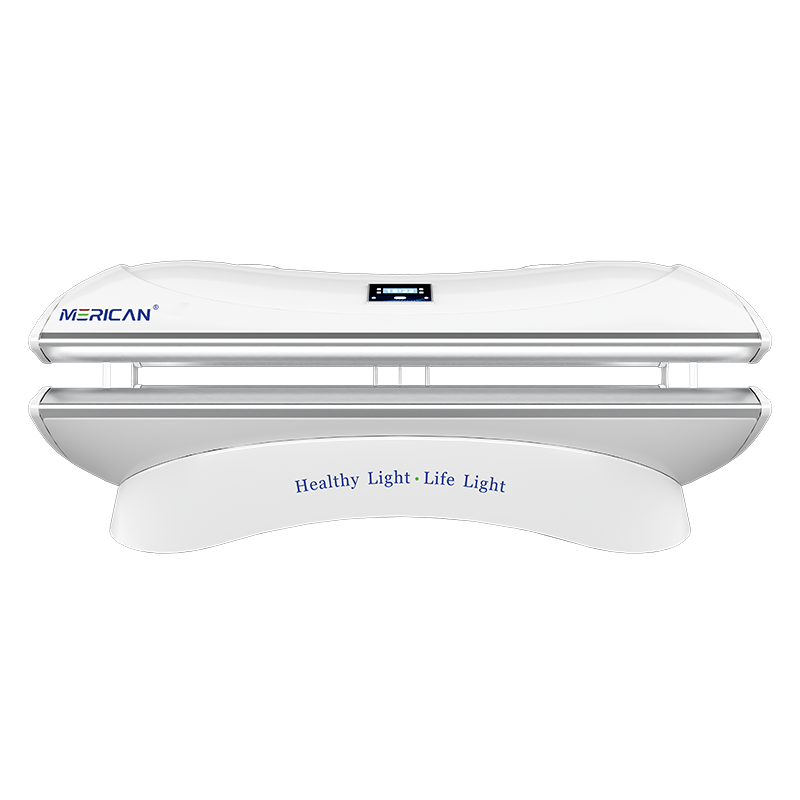
If you want consistent effectiveness, avoid cheap low-output LED devices. Full-body red light therapy beds deliver even light distribution across the hips, pelvic region and legs, addressing one of the primary hemorrhoid triggers: poor lower-body circulation.
Merican Red Light Therapy Bed M4N is a trusted choice for home wellness studios, gyms and commercial spas. Merican has a professional R&D and technical team providing comprehensive OEM & ODM customization. The brand supports custom logo services for global beauty salons, spa centres and fitness chains. Merican holds multiple independent technical patents, and all products are equipped with complete international qualification certificates. Every unit enjoys a 3–5 year official warranty. The company is actively recruiting global agents and distributors to cooperate in the fast-growing red light therapy wellness sector.
Final Thoughts on Effectiveness
Red light therapy delivers meaningful effectiveness for managing mild hemorrhoid symptoms, lowering inflammation, easing pain and supporting post-surgical recovery. Expect gradual improvements rather than instant elimination of hemorrhoids. If you have advanced hemorrhoids, always follow professional medical guidance while using red light as supplementary care. Choose certified equipment, maintain a consistent routine and adjust daily lifestyle habits to get the best possible long-term outcomes.