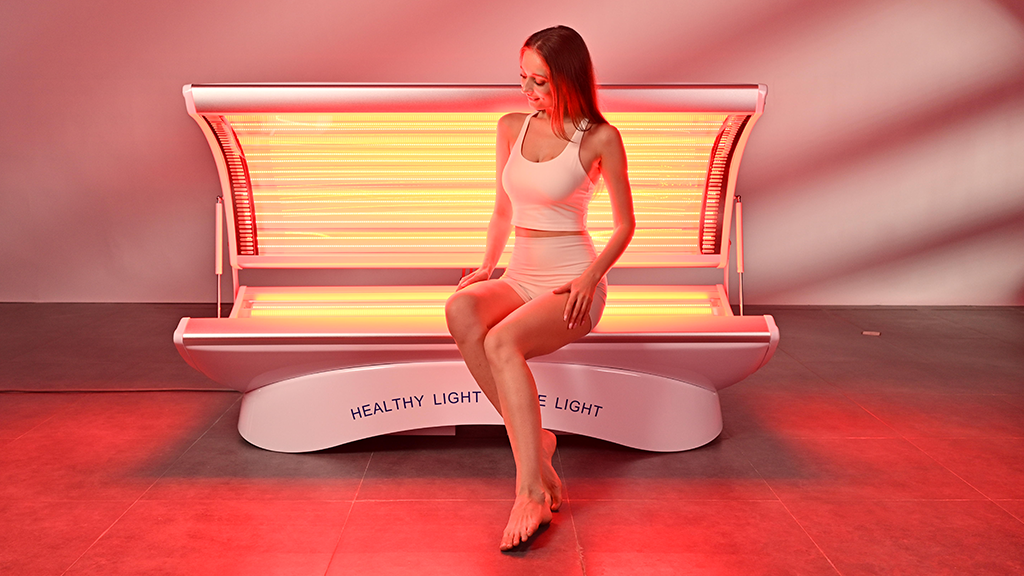
Red light therapy has become increasingly popular in wellness centers, beauty clinics, gyms, and home recovery spaces. While many users explore red light therapy for skincare, relaxation, and recovery support, some people also wonder about its potential negatives or side effects.
Understanding both the benefits and limitations of red light therapy can help users make more informed wellness decisions.
Is Red Light Therapy Generally Considered Safe?
Red light therapy is widely regarded as a non-invasive wellness technology when used according to manufacturer guidelines. Unlike UV tanning systems, red light therapy does not rely on ultraviolet radiation to affect the skin.
However, like many wellness technologies, improper use or excessive exposure may sometimes lead to temporary discomfort or mild reactions.
Possible Red Light Therapy Side Effects
Although many users tolerate red light therapy well, some individuals may experience temporary effects such as:
Mild Skin Warmth or Redness
Some users notice slight skin warmth or temporary redness immediately after sessions, especially during longer exposures.
Temporary Dryness
Occasionally, skin may feel slightly dry after repeated sessions if hydration and skincare are neglected.
Eye Sensitivity
Bright light exposure may cause temporary eye discomfort for sensitive individuals if proper eye protection recommendations are not followed.
Temporary Fatigue or Sensitivity
Some users report mild fatigue or temporary sensitivity after early sessions while adjusting to regular treatment routines.
These effects are generally mild and often related to session duration, device intensity, or individual sensitivity.
What Can Increase the Risk of Negative Effects?
Several factors may increase the likelihood of discomfort during red light therapy:
- Excessively long sessions
- Improper device distance
- Overly frequent treatments
- Sensitive skin conditions
- Ignoring manufacturer guidelines
This is why many professional wellness centers recommend gradual and consistent treatment schedules.
How to Use Red Light Therapy More Comfortably
To help improve the overall experience, many users follow these basic practices:
- Begin with moderate session lengths
- Stay hydrated
- Keep skin moisturized
- Follow manufacturer instructions
- Allow recovery time between sessions
- Use protective eyewear if recommended
Consistency is often more important than excessively long or intense sessions.
Common Misconceptions About Red Light Therapy
One common misunderstanding is confusing red light therapy with UV tanning. Unlike tanning systems, red light therapy does not aim to darken the skin through ultraviolet exposure.
Instead, it is typically used in wellness and beauty environments focused on:
- Relaxation
- Recovery support
- Skin wellness routines
- Non-invasive light therapy experiences
Understanding the difference between UV tanning and red light therapy helps users set realistic expectations.
Who Should Be More Cautious?
People with certain medical conditions, light sensitivities, or those taking photosensitive medications may want to consult a healthcare professional before beginning red light therapy routines.
Professional guidance is especially important when combining light-based therapies with medical or cosmetic treatments.
Final Thoughts
Red light therapy is generally considered a non-invasive wellness technology, but like many treatments, it may have temporary side effects or limitations depending on individual sensitivity and usage habits.
Following manufacturer recommendations, using moderate session schedules, and maintaining proper skincare routines can help users create a more comfortable and balanced red light therapy experience.